


Our site/blogs may contain some affiliate/compensated links, which may earn us a small commission if you make a purchase through our links, at no extra cost to you. Learn more
How To Start A SaaS Business Online
If you’re looking for a guide on how to start a SAAS business online that can help you become financially free, then this is the right post for you. SAAS stands for Software as a Service. It’s the practice of selling access to software, rather than selling a physical product. Starting a SAAS (Software as a Service) business online is tough. It takes time, hard work, and money to build an internet business that can generate profit.
Many have heard that “starting an online business is easy and anyone can do it” I’m here to tell you that isn’t really accurate. Starting an online business isn’t hard but it isn’t easy either. A lot of people have the same idea to start a business online, not a lot of people finish or succeed in the long run. There are some critical things you need to consider before you start your own online business.
The SaaS model has been incredibly successful over the past decade. In late 2017, the SaaS market was valued at $20 billion, and it’s projected to grow to $30 billion by 2020. Considering that nearly every business is constantly striving for efficiency, SaaS provides a convenient solution for startups and established companies alike.
Every day, I get multiple emails from people asking me the same question: “How do I start an online business?” I know how they feel, because I also asked myself the same thing when I started my first online business. But here’s the thing: starting an online business is a bit different than starting a brick-and-mortar business. I still remember how overwhelmed and confused I felt when I started my first online business.
A software as a service (SaaS) business is a fantastic way to start a business online. In fact, you don’t even need to have any development skills, just a good idea, some time and energy to put towards it, and some money to invest.
Here are the main steps that you need to take before you can launch your own SaaS business.
What is SaaS?
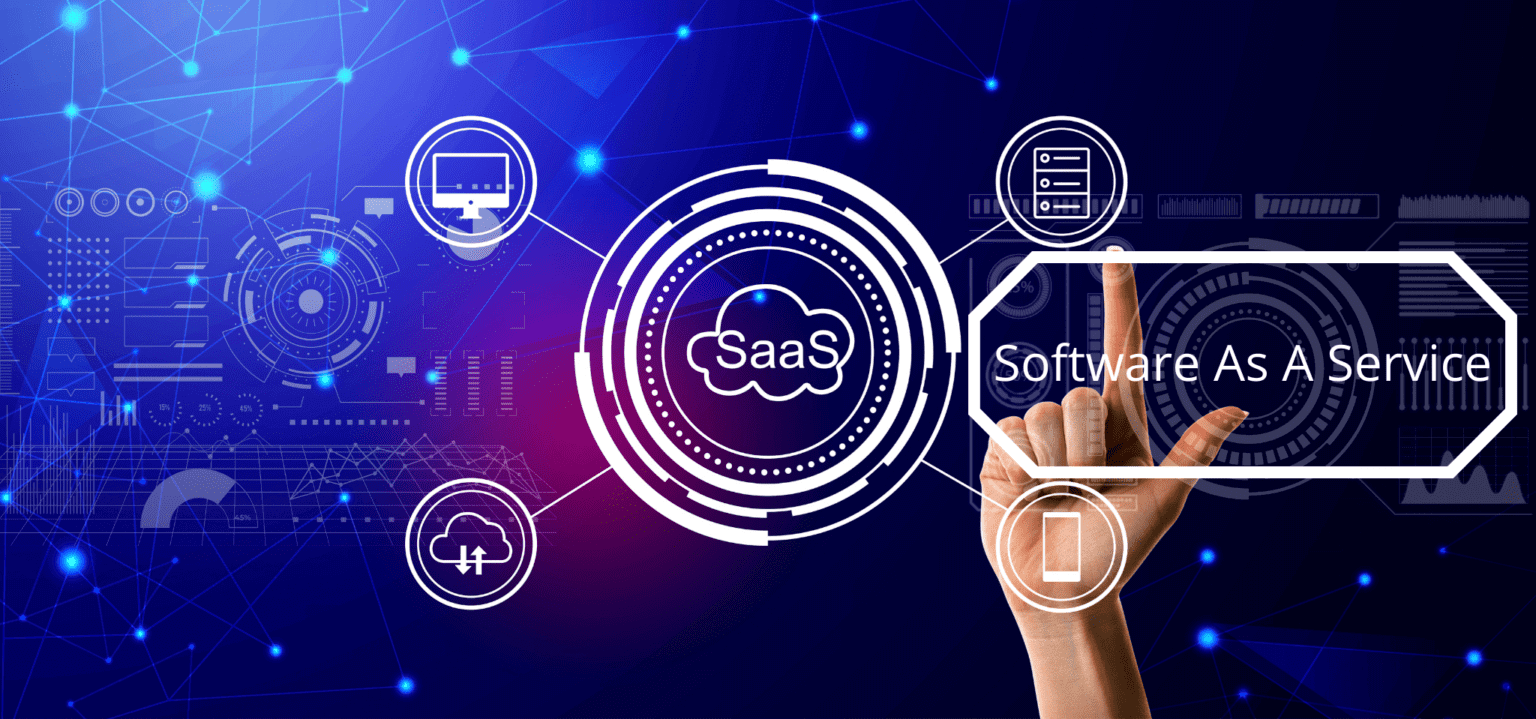

SaaS, or Software as a Service, is a type of software that is hosted by a third party over the internet. It allows customers to access the product via their computers or mobile devices without having to download any software onto their machines. The customer can use it at anytime and anywhere they want. The SaaS-based business model has its own set of advantages over traditional software development models such as:
- Reduced costs due to no need for purchasing equipment or maintaining servers in-house (you only pay for what you use)
- Increased flexibility —your customer can switch between different providers if they ever find one with better features at lower cost (competition)
The term “SaaS” first appeared in the mid-1990s and entered mainstream adoption in the early 2000s. By 2004, SaaS represented 20% of total worldwide software revenue. It’s essentially an online application that you use over the internet. If you’ve ever used Gmail or Dropbox, then you’ve already used SaaS (software as a service). That’s why SaaS is sometimes referred to as cloud computing: it uses remote servers hosted by third parties instead of local hardware on your computer.
In most cases, users don’t have to worry about hosting or maintaining their own server infrastructure because the provider hosts all of that for them in their data center and gives the user access via an internet connection (e.g., Wi-Fi or cellular data).
Types of SaaS Products
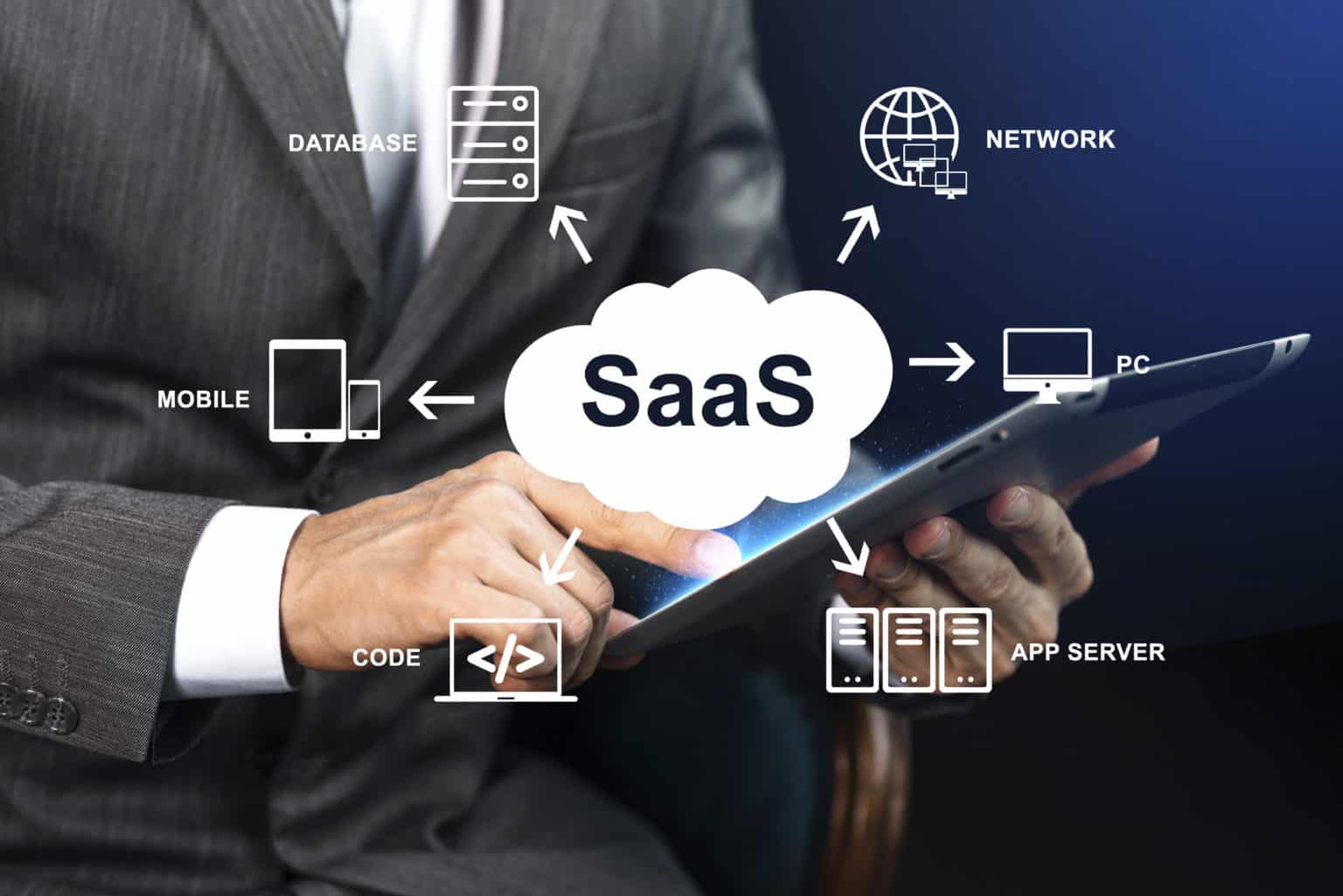

Are you thinking about starting a SaaS business? You might be wondering, “What kind of SaaS product should I develop?” There are a variety of diverse types of SaaS products that you can choose from. This list will give you some idea of what’s out there.
SaaS products can be of several types, and these can be categorized as:
- Products that are used by a single user: – For example, if you have an online accounting software for small businesses, the product would be accessed and used only by a single company owner or manager.
- Products that are used by multiple users in a company: – For example, if you create an online CRM tool for sales teams to manage their leads more easily, it’s likely that every salesperson will require access to certain parts of the program but not all of them (i.e., some may need their own data while others don’t need any data at all). This is different from using it as part of an internal communication channel between team members within one organization because they won’t necessarily need access to everything; they’ll just need access based on their roles within the company.
SaaS products can be broadly classified as below:
- Customer Relationship Management (CRM) Software
- Enterprise Resource Planning (ERP) Software
- Accounting Software
- Image Editing Software
- Project management Software
- CMS and e-commerce Platforms
- Communication Platforms
- HR/HRM Solutions
- Payment gateways and billing solutions
Lastly but not leastly…
How to Start a SaaS Business?

According to one recent report, “The SaaS market is growing at a rate of over 20% per year and so far, there have been some 128+ billion-dollar software acquisitions.” Given the success stories in this space, I wanted to share my ideas on how to build a SaaS business and think through the different stages of its development. My hope is this post will help others who are thinking about building their own SaaS business.
What’s the real secret to launching a successful SaaS business? Some would argue it’s a great idea coupled with some awesome technology. Others might even say it’s due to being in the right place at the right time. While these things certainly help, I’m certain there’s one key thing that helps more than anything else: “Passion”.
Before you decide to start a SaaS business, it is important that you know what your customers want. You should also have a good understanding of what your business model will be and how it will compete with other SaaS businesses in the market.
How do I get started?
You can start by identifying your target audience and researching their needs: What are they looking for? How much are they willing to spend on this product/service? Once you’ve done some research, create a list of potential features: Is there anything missing from the existing products out there? What additional features could make them more attractive to buyers?
Now comes the hard part: Is there enough demand for these new features or not? If so, then create an MVP – minimum viable product – which is essentially an experiment with just those key elements needed to prove whether or not people will buy this product at all (and if so, how much).
SAAS startup ideas
Are you fed up with the corporate rat race? Want to do something that you really love? Here are a few ideas for starting your own SAAS business, which could be the opportunity you have been waiting for.
Breakfast club This is a great idea if you’re an early riser. How about starting a breakfast club that meets in a local café every morning?
When looking to develop an SAAS service, one of the first things to consider is your competitive edge. While you may have an excellent product in mind, you’ll need a smart plan to ensure it has the right features and pricing structure to give it that competitive edge.
SAAS startup ideas are the type of business you can start with a low investment, which makes them great for beginners. If you want to start a business that isn’t going to require large upfront capital expenses, SAAS startup ideas are one of the best ways you can do that. If you have just as little as $1,000 to invest, you can get a SAAS business off the ground in no time.
This startup idea list is categorized into four different types of startups. The ideas are in web, mobile, software and hardware categories. Also, we have categorized these startups into four stages. Those are idea, validated, funded and revenue. We have also included an additional category called the revenue generating startup ideas. These are revenue generating startup ideas without any funding.
It’s getting more and more difficult to get by as a startup in the software industry. Regardless of your business model — freemium, SAAS or SaaS, mobile, or web — you’ll want to incorporate these four essential elements into your product if you want to succeed in the next four years.
SaaS customers are fickle. They’re usually not loyal to you and are on the lookout for better solutions. Writing a SAAS business plan is not easy, but it is necessary if you want to get funding from investors.
Benefits Of SaaS Software To SMEs
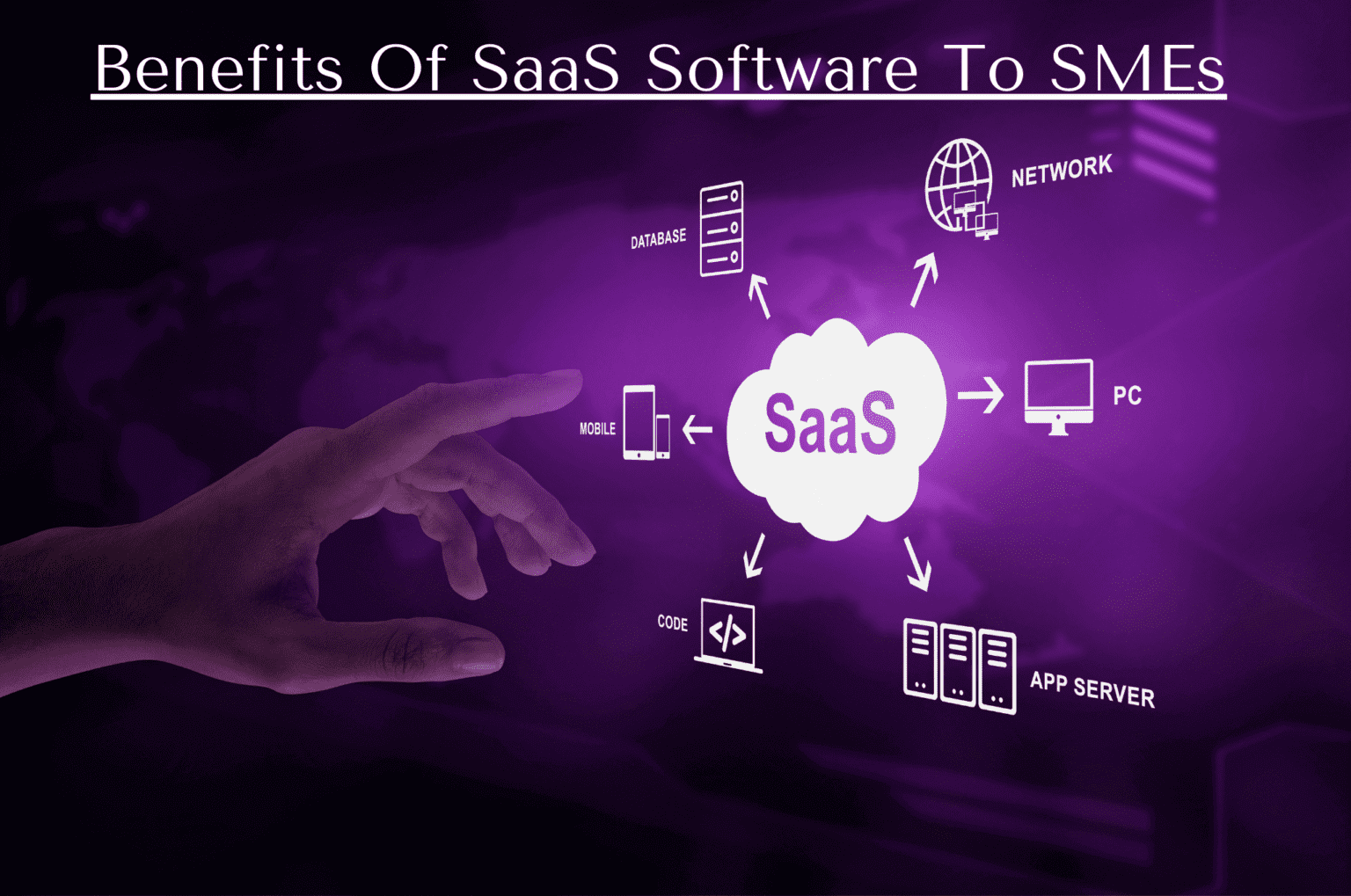

As an SME, you need to consider your options when choosing between software as a service (SaaS) and on-premise solutions. SAAS comes with advantages, particularly those that are time sensitive.
If you are an entrepreneur running your own SaaS business, you need to plan your business growth strategically. Your revenue and customers are the main indicators of your business growth in the market. Without revenue, you cannot sustain and keep yourself afloat in the market. To make more money, one of the strategies you should use is to learn about top SAAS competitive tools and techniques that can help you gain a competitive edge in the industry.
Smaller businesses are often more successful when they can access great products and services without having to spend thousands on staff. The shift towards Software as a Service (SaaS) has given rise to a raft of great software products that can be accessed and used by anyone with an internet connection.
The SaaS model has been around for a while, but it’s not stopping the growth of innovations in the field. From customer data management to payment processing, business owners are finding SaaS software to be a cost-effective and highly accessible solution to their business
Small and medium enterprises (SMEs) are more likely to use cloud-based software as it is easy to scale and upgrade. Cloud-based software also reduces the cost of upgrading and maintaining software.
It’s used by many small businesses and big corporations to help improve their workflow and efficiency. It’s also a great way for anyone to get started with software — if you think you need it, try out a good SAAS product instead of buying software outright.
SAAS is a great option for businesses of all sizes and types. The benefits of SAAS include:
- SAAS software is scalable, which means that you can start small and then grow your business as needed without having to re-write your code or change the way the system works. You can also add features or add more users at any time without having to worry about making major changes in the way your company operates.
- SAAS software is flexible, so it works well even if you’re changing direction or adding new products or services frequently. Because it’s flexible, you won’t need an IT team on hand at all times (or at least not a full-time one), so this makes it ideal for startups that are just getting off the ground and don’t have much money to spend on their technology needs yet!
Wrapping Up


We intend to write a SAAS wrap-up in a way that makes it easy for our valuable readers to understand what we’re saying. Here’s how we feel to do it.
If you are taking into starting a business that can provide you a competitive edge and high revenue, you must go for SaaS based business.
With the shift of Enterprise Software toward SAAS and Cloud Computing, there is a huge opportunity for SaaS companies in the Digital Marketing industry. The demand for enterprise-level Digital Marketing services is growing at an exponential rate. However, some of the biggest challenges facing SaaS companies are how to stay ahead of competition, increase revenue, and convert more leads into customers.
“The competitive edge of SaaS is in its ability to generate high revenues and profits.” — according to Gartner’s research director, David Mitchell. Even though SaaS industry is rapidly growing, there are some problems that SaaS companies need to solve. Even though the market seems to be promising, it still has a few challenges that needs addressing including: high cost of customer acquisition, low retention rate, lack of trust and fear of subscription plans.