


Our site/blogs may contain some affiliate/compensated links, which may earn us a small commission if you make a purchase through our links, at no extra cost to you. Learn more.
Are HEALTHCARE & TECHNOLOGY the New best Friends?
Right from administrative tasks to performing complex surgeries, these AI driven medical robots sure know how to bring innovation to the rapidly evolving healthcare scene across the world.
Medical robots have surely been the new storm in a teacup in the latest AI landscape much like a maelstrom of healthcare to aid professionals in treating most care intensive medical conditions and streamlining all overburdened hospital workflow processes.
Although, healthcare workers began experimenting with the idea as early as the 1980s, and robots had increasingly become a mainstay front runner especially in the complex surgical fields in the early 1990’s.
Medical Robots Are Now Transforming Healthcare for good.
From administrative patient auto calling to performing surgeries, these medical robots are bringing AI driven innovation straight to the annals of the healthcare industry.
Medical robots have boldly and beautifully arrived in the healthcare scene in some significantly big ways quite recently to aid, supp and further help healthcare professionals treat complex medical conditions and also help streamline certain overwhelming hospital processes.
Although healthcare workers had erstwhile began experimenting and toying with this ideation and technology way back in the 1980s, these robots had also increasingly found their way initially in the inception of laparoscopy and the less intensive modern surgical field from the 1990s and is even going stronger now as the day passes and AI advancements are becoming a hard to miss.
Robotic surgery is most certainly unlocking a new era and chapter in the history of medical science.
As nowadays most diverse medical robots have taken up on a variety of job roles within the healthcare system.
For instance, telepresence robots are enabling doctors to check in with patients remotely; while rehabilitation robots are supporting patients in performing post-surgical exercise routines; and some traditional surgical robots are being commonly used by surgeons to assist with various noninvasive.
Procedures and operations, whereas companion robots are helping to reduce anxiety, isolation and depression among the elderly post hospitalization.
Most healthcare organizations are now heavily relying solely on robots for transporting all medical equipment, supplies, dispensing prescription drugs Including sanitizing the entire clinical facility.
By taking on additional responsibilities, these medical robots are helping to free up most healthcare workers’ workload and helping them to focus furthermore on patientcare, allowing for most medical industry professionals to feel genuinely excited about the upcoming future of such AI driven robots in transforming healthcare for some good reasons.
Below listed are some of the main types of medical robots that are highly relevant and reformative for introducing the latest AI driven technologies to the world of healthcare enhancing the overall existing relationships between all medical professionals and patients alike for delivering an optimum superlative form of caregiving experience.
Also check our blog post: Revolutionary Dairy Alternative: Milk Made Without the Cow
7 Medical Robots that are Making a Positive Difference in the Healthcare landscape
Now let’s take a look at some of these medical healthcare robots that are making headlines and waves in some more detail
Robo doctor
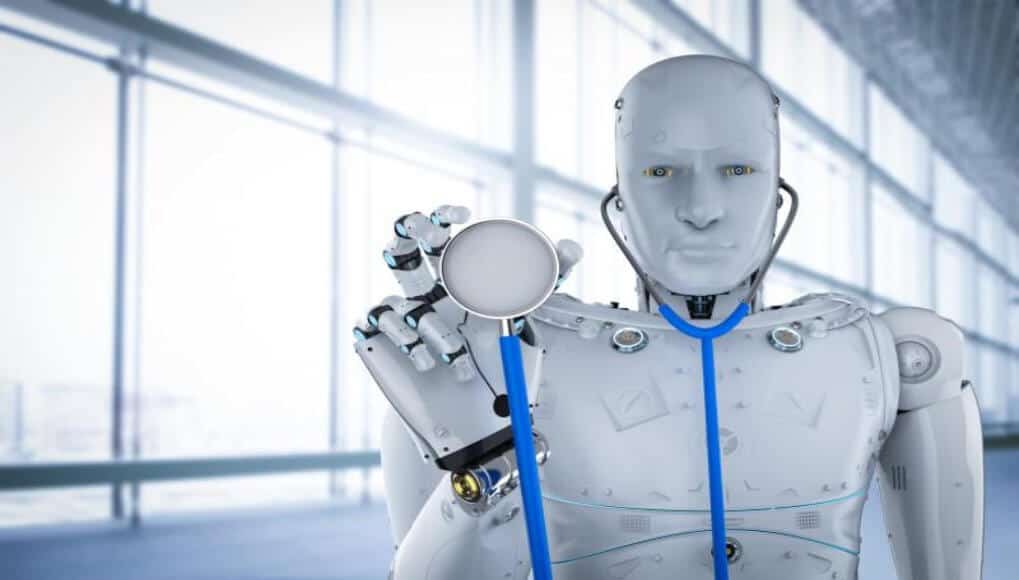

Sourcing for medical machining has whoppingly shot up a massive 731% year over the past few years and soared over a staggering 300% a quarter.
Among the big names that are becoming increasingly popular in these AI driven device categories are the robot doctors that are transforming each and every aspect of modern healthcare by seldom diagnosing diseases, aiding in patient recovery, completing all possible administrative tasks, facilitating and performing highly complex OT surgeries, and providing additional empathic emotional support to patients overcoming isolation.
Nurse Robots
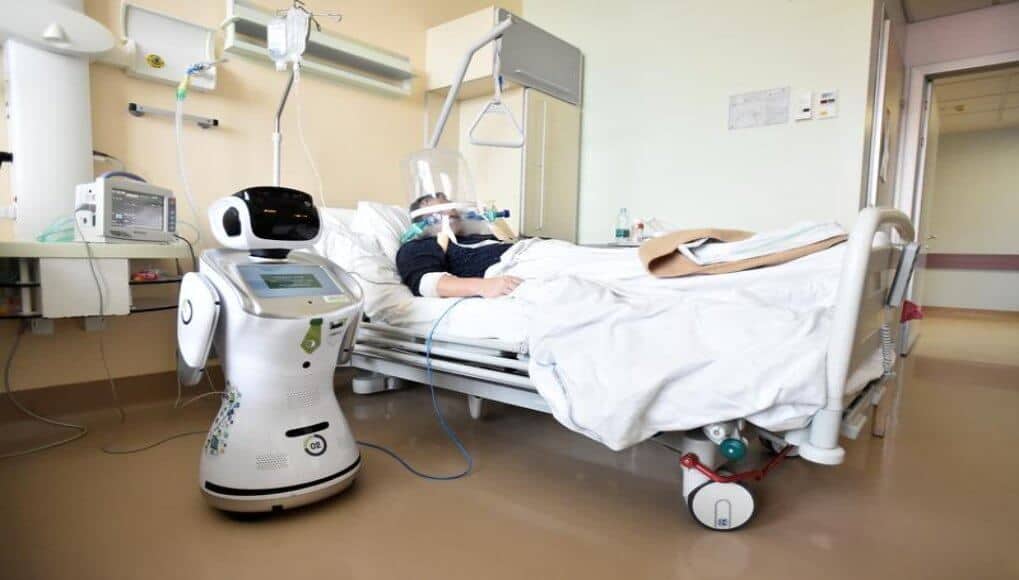
Image Source: Reuters
The annual demand for registered nurses has been predicted to hit more than 3.6 million alone.
The looming impact of the pandemic, saw many professionals to force exit the medical workforce with many people retiring quite early, these latent factors may have served to intensify the upcoming nurse shortage that is to be witnessed in the coming few years.
Nursing robots are hence perfectly positioned and poised to rapidly fill in this gap perfectly, while they are supporting dedicated nurses working in healthcare facilities and local communities to further ensure all patients are being well cared for.
These robot nurses can perform countless medical procedures and tasks well, right from drawing blood and checking in vital signs to timely dispensing medication and helping in combating patient isolation and loneliness.
Sanitation Robots
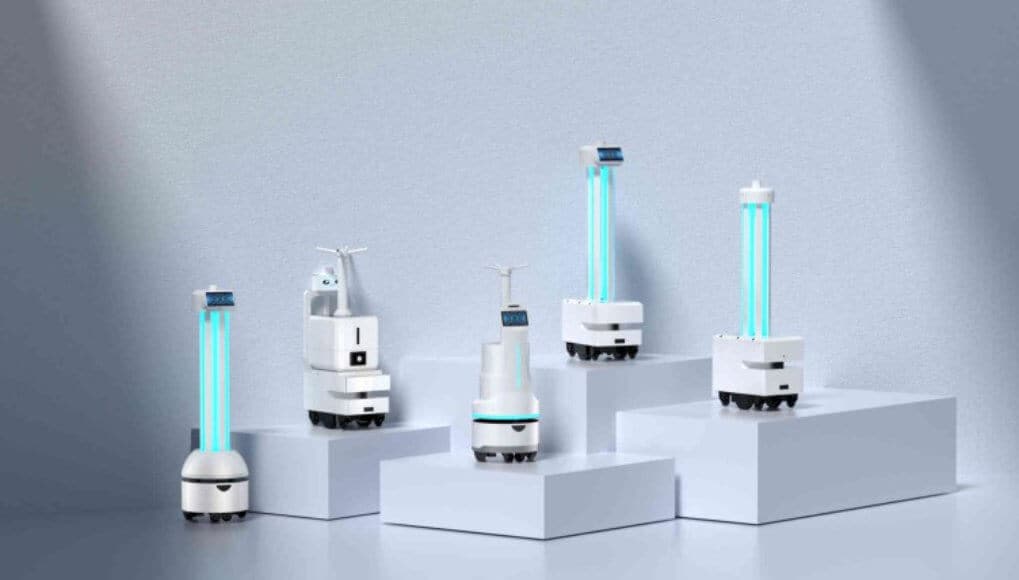
Image Source: LinkedIn
It’s highly important even fanatical for some post pandemic for all hospitals and healthcare facilities to well maintain their sanitary conditions, adhering to the high standards that were set in place particularly following the outbreak of the pandemic.
Not only does a sanitation robot improve the overall hygiene and cleanliness, but they equally reduce the additional workloads for most medical professionals all by automating the automatic deep cleaning and sanitizing processes, whether it’s cleaning a ward or completely disinfecting an entire surgical room post-operation.
These robots typically use sustainable UV light to disinfect high-touch sensitive areas in hospital rooms and are extremely efficient and completely reliable for reducing the further risk of infection among the existing hospital cleaning staff.
As automated Disinfection Services skyrocketed shortly after the pandemic took hold, these robots were all over the news for emitting high-intensity broad-spectrum UV light to destroy all viruses and bacteria in large rooms, surfaces and other such flat areas.
This AI-powered system can self-map its own disinfection path in practical real time.
And the robot operates by auto evaluating the CCTV data to further precalculated the number of people in a given room or ward, including their length of stay, prior auto estimating the pathogen pathways and where they are most likely to be concentrated.
Highly Impressive must say!
AI Doctors
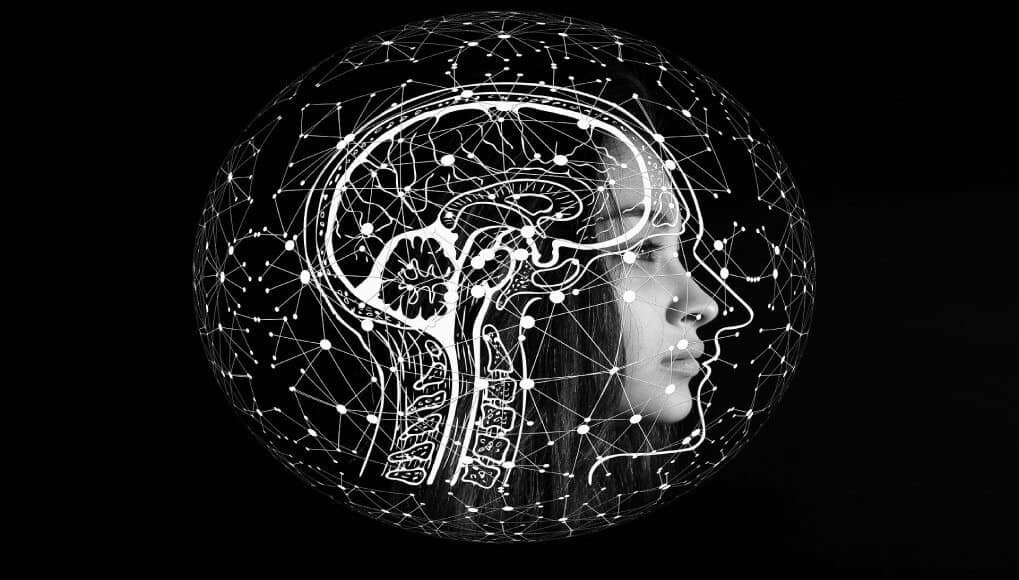
Image Source: aihealth.ischool.utexas.edu
Artificial intelligence (AI) doctors are helping diagnose, develop drugs, writing customizable prescriptions, transcribing medical notes, remotely treating patients, and driving unmatched medical efficiency.
As a result, most doctors can work faster, while making better-informed decisions. As most treatment plans are quickly predetermined and auto implemented, significantly improving all patient’s prognosis, while most repetitive tasks are easily PR automated while doctors can focus solely on performing the value-adding, if not lifesaving, tasks with utmost care.
Implementing AI doctors and robot nurses is also proving to be highly cost-effective as about 30% of all modern healthcare costs are often associated with performing the most basic and resource-intensive administrative tasks.
Leveraging cloud computing and deep learning in clinical settings can develop advanced imaging technology that is further simplifying the processes of diagnosing diseases and aiding treatment procedures all at the same time.
Surgical Robots
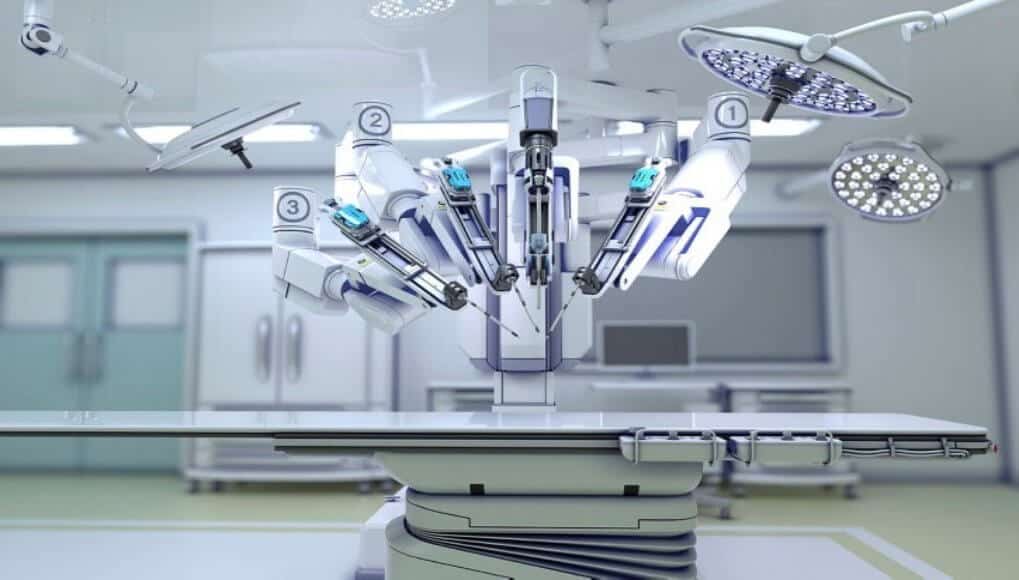
Image Source: BioMed Central
Surgical robots are highly skilled, trained and experienced AI powered surgeons that can typically operate, enabling complex procedural programming that are auto performed with utmost precision and complete control.
Moreover, as surgical robots are capable of making tiny incisions, they are often deployed for performing most of the common noninvasive surgical procedures with absolute ease in no time.
Intuitive Surgical System and bots are designed to significantly nullify errors by giving surgeons more precise control of their hand movements.
Resulting in the increased demand for more advanced robotic-assisted medical systems. With an additional FDA clearance, these systems have been used in more than 8.5 million surgical procedures till date for the record.
These advanced Robotic System are designed with focus on abdominal assessments offering visualization through a single 1.5 cm port.
With camera and instruments being easily passed through the incised port to maximize further visualization, precision, maximizing further control of instruments for the surgeon performing the operation.
Robotic surgery systems were although invented back in the 1990s. They were not yet technically categorized as surgical robots.
However, the first fully robotic radiotherapy device, is well worth mentioning as it today delivers a potent non-invasive radiation therapy for treating patients’ tumors across the U.S. with an unparalleled sub-millimeter precision level.
Companion Robots

Image Source: GWS Robotics
Designed specifically for the sick and the bedbound, they help in establishing meaningful empathic connections between healthcare professionals and patients making a world of difference in the industry standards of modern superlative caregiving, significantly improving patients’ well-being and quality of life by speedily accelerating their recovery time.
It is especially becoming increasingly important to address the latent loneliness pandemic and its resultant social isolation symptoms especially witnessed among the elderly, who are also equally at high risk for Alzheimer’s, dementia and other serious neuro degenerative medical conditions.
With healthcare systems often overburdened and stretched to their limits, nurses, doctors, and other practitioners have no spare time to provide further companionship or build empathic connections with their patients.
But companion robots possess a surprisingly good bedside manner instead, they offer continual and unlimited engagement, triggering mental stimulation, and even emotional support to those desperately in need.
Modern robot nurses are being designed to provide emotional support, especially to patients in recovery.
They can move, talk, and express feelings even with familiar human-like facial expressions and gestures that further help them to strike a chord.
Companion robots that exhibit human-like care and compassion significantly enhance a recovery patient’s overall sense of wellness, regenerating their mental clarity in providing a better quality of life post-surgery.
Moreover, emotional support robots designed especially for kids are also popularly launched as effective communicators, engagers and problem solvers.
Exoskeletons
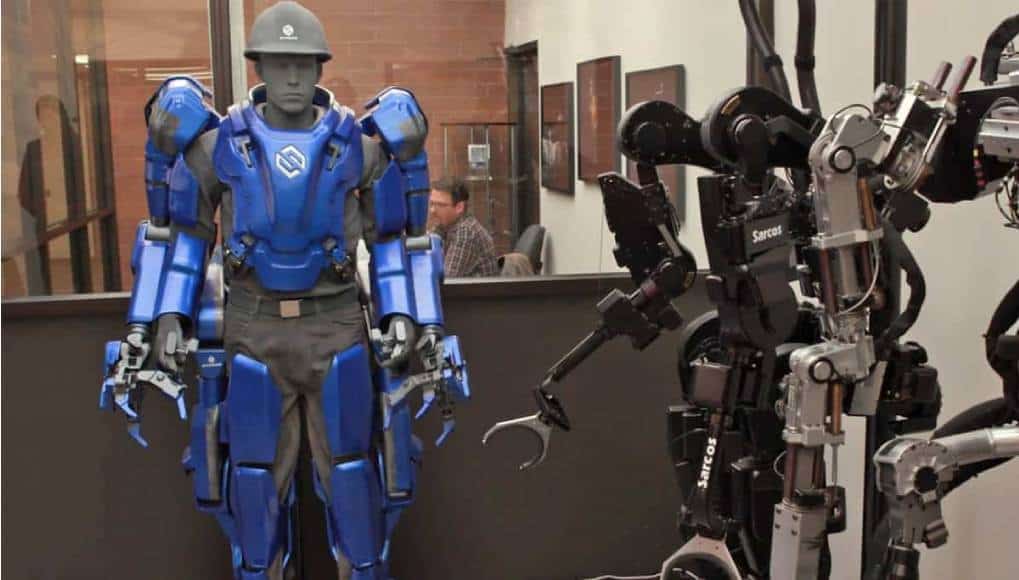
Image Source: Freight Waves
Robotically designed exoskeletons are popular mechanical-made wearable devices that help support and assist movement augmenting the human body’s capabilities post injuries.
With the rapidly evolving AI driven health care systems settling in, these devices are being rapidly deployed for patient rehabilitation and home monitoring as well to aid in significantly improving their overall mobility, offer better support for the speedy recovery of ailing joints, or for further strengthening achy limbs.
These are often deployed to support patients suffering fry a stroke or a spinal cord injury to regain their lost mobility, relieving suppressed movement restrictions.
A tremor suppression exoskeleton will help in providing reverse motion support to a patient’s involuntary tremor movements.
Designing lightweight soft powered exoskeletons with battery operated motors that are fitted at the hip and knee joints is becoming increasingly popular.
Enabling a quick spinal cord injury recovery, allowing patients to stand upright, walk, turn, and climb and access stairs with absolute ease.
Certain exoskeletons also assist patients suffering from paralysis especially in their hands and arms because of sudden cerebral stroke, brachial plexus injury (BPI), cerebral palsy, and any such neuromuscular disease induced injury.
The device helps to detect nerve signals by attaching its sensors to the patient’s skin and reactivates its motors to simulate natural arm and hand movements subsequently.