24 September 2026
- Crypto Payroll Systems: The Future of Employee Compensation?
- Proven Debt Management Strategies 2025: Slash Your Debt and Boost Your Credit Score with Proven Tips
- Guide to buying a home in 2025: How Young Adults Can Move from Renter to Homeowner
- Plan Your Dream Retirement: 2025 Guide to Digital Retirement Planning

News











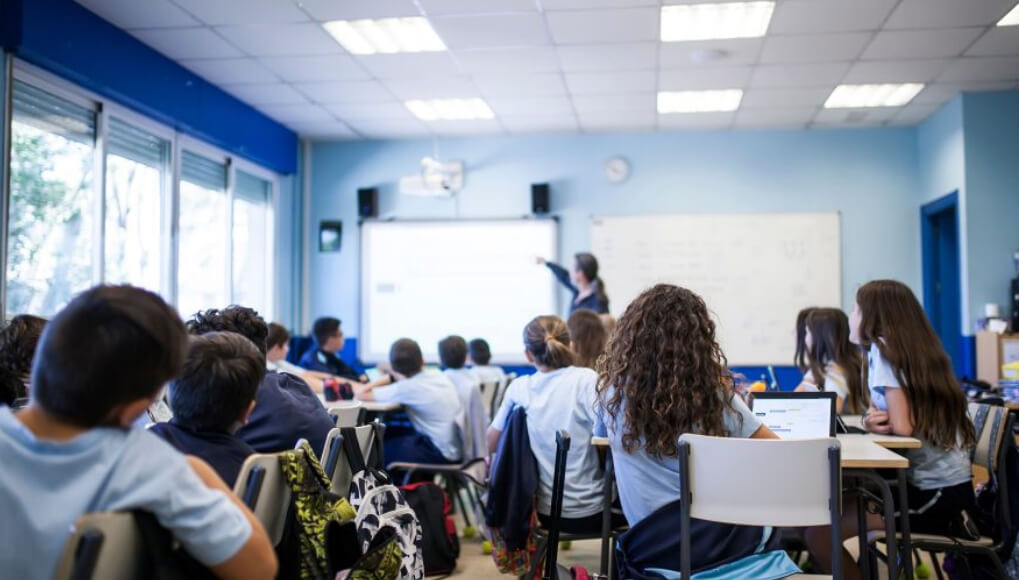
New Pennsylvania Law: Introduction
There’s Big news on the horizon – Pennsylvania just hit the refresh button on high school education by passing a groundbreaking law.
Brace yourself for this nugget of wisdom – more than half of U.S. high school students will soon be diving into the fascinating world of personal finance before tossing those graduation caps in the air.
The Details
Governor Josh Shapiro delivered a long-standing promise he made to older Pennsylvanians signing a new law, Act 7 of 2023, that significantly expands the Property Tax/Rent Rebate (PTRR) program.
This legislation delivers the largest targeted tax cut for Pennsylvania seniors in two decades.
The bill, includes flat funding of $242.1 million for Penn State’s general support appropriation — money that Penn State passes on to Pennsylvania students as an in-state tuition fee discount.
Why does this matter at all
Image Source: Business Insider
Now, I know what you’re thinking – “Why does this matter?” Well, let me be your guide through this maze of dollars and sense (see what I did there?).
Imagine stepping into adulthood armed with the knowledge of budgeting, investing, and navigating the wild jungle of credit scores. Thanks to the new law, it’s not just a daydream anymore – it’s the reality for high school students in the Keystone State. They’re trading in algebraic equations for real-world lessons on managing their hard-earned cash.
Let’s take a moment to appreciate the foresight behind this move. We’ve all been there – high school ends, and suddenly, we’re thrust into the adulting battlefield. Bills, loans, taxes – it’s like trying to navigate a maze blindfolded. But Pennsylvania, oh Pennsylvania, you’ve decided to hand over a treasure map to financial success to your high school graduates.
Simple measures, big impact !
Image Source: Medium
The beauty surely lies in the simplicity of it all. Personal finance doesn’t have to be rocket science. It’s about understanding the basics, like how to stretch that paycheck, the magic of compound interest, and why credit cards are both a blessing and a curse.
So, here’s a virtual high five to Pennsylvania – the pioneer in recognizing that education goes beyond textbooks and pop quizzes. They’re molding future leaders who won’t flinch when faced with a mortgage application or deciphering the fine print on their first lease.
As this ripple effect spreads across the nation, picture a future where every graduate walks across the stage not just with a diploma but with the financial savvy to navigate the twists and turns of life.
It’s a small step for Pennsylvania, but one giant leap towards a more financially literate generation. Here’s to hoping other states take a page from their playbook, because, let’s face it, when it comes to money matters, ignorance is not bliss – but surely knowledge is power
The student money revolution
Let’s delve a bit deeper into the nitty-gritty of this financial revolution. No longer will high school students be left scratching their heads when faced with the intricacies of student loans or the mystifying world of credit. Pennsylvania has thrown open the doors to a new era where financial literacy is not just an elective but a core life skill.
Think about it – when was the last time you wished you knew more about managing your money? Probably yesterday, right? Well, Pennsylvania is taking that wish and turning it into reality for its students.
Learning Finances

Image Source: Plancorp
These personal finance classes won’t be your typical snooze-fest either. They’re crafting engaging curricula that include everything from creating a budget that won’t make you feel like you’re in financial lockdown to understanding the ins and outs of the stock market – because who doesn’t want to be the Wolf of Wall Street in their own right?
Molding financial warriors equipped to conquer the fiscal challenges life throws. It’s not just about textbooks and lectures; it’s about real conversations on real-life scenarios, making learning both practical and memorable.
And let’s face it, folks – the earlier you learn about money, the better. By the time these students toss their caps into the air, they won’t just be academically ready but financially savvy as well. From understanding the importance of an emergency fund to decoding the mysteries of a 401(k), these students are gearing up for a future where financial stress takes a back seat.
So, here’s Pennsylvania – a state that’s not just making history but shaping the future. May this initiative spark a nationwide movement, because a financially literate generation is a force to be reckoned with. The ripple effect starts here, and who knows, the next US state might be next in line to pave the way for a brighter, financially enlightened tomorrow.
The financial Domino

Image Source: WTVY
Now, let’s talk about the ripple effect of this financial enlightenment. Picture this: a graduate from a Pennsylvania high school, armed with a diploma and a robust understanding of personal finance, ventures out into the world. What happens next? Well, they become catalysts for change.
These students, armed with knowledge about investing, savings, and debt management, become influencers in their communities. They break down the walls of financial stigma, sparking conversations about money that were once deemed taboo. Suddenly, the hushed whispers about credit scores and mortgages become vibrant discussions in coffee shops and community centers.
The Long term future
And it doesn’t stop there. Employers start noticing the difference. These graduates, with a solid financial foundation, bring a unique skill set to the table. They navigate workplace benefits with ease, plan for their financial futures, and contribute to a more financially literate workforce. Pennsylvania isn’t just shaping students; it’s shaping a workforce that understands the value of financial wellness.
But let’s not overlook the long-term impact. As these graduates progress through life, they become homeowners who understand their mortgages, entrepreneurs who navigate business finances with finesse, and parents who instill financial wisdom in the next generation.
What Pennsylvania Achieved
Pennsylvania’s move isn’t just about meeting a graduation requirement; it’s about building a legacy of financial empowerment. It’s a gift that keeps on giving, transcending generations and reshaping the very fabric of society.
So, whether you’re a student in the Keystone State or someone cheering from the sidelines, know that this isn’t just a state law – it’s a beacon of change. It’s a call to action for other states to recognize that financial literacy isn’t a luxury; it’s a necessity. Here’s to a future where every graduate steps into the world not just with a cap and gown but with the financial keys to unlock their dreams. Cheers to Pennsylvania for lighting the way!
As we further explore Pennsylvania’s pioneering step, let’s understand the broader implications. The effects of this financial education initiative extend beyond individual lives; they ripple through the economy and societal dynamics.
Talking about debt
Consider the impact on debt. With a generation knowledgeable about loans, interest rates, and responsible borrowing, we’re looking at a potential decrease in crippling student loan debt and credit card burdens. This, in turn, could lead to a population more inclined to invest, save, and contribute to economic growth.
Moreover, imagine the shift in consumer behavior. A financially literate populace is likely to make informed decisions, resisting impulsive spending and making choices that align with long-term financial goals. This could foster a culture of savings, investments, and overall economic stability.
The Societal shift
Now, let’s talk about entrepreneurship. Armed with financial know-how, graduates might be more inclined to start their own ventures. Understanding the financial intricacies of running a business can be a game-changer, fostering a landscape of innovation and economic diversification.
But let’s not forget the societal shift. A community well-versed in personal finance is a resilient one. It’s a community that understands the importance of planning for the future, not just individually but collectively. This could translate into more robust support systems, reduced financial stress, and a stronger social fabric.
So, as we really commend Pennsylvania for leading the way, let’s recognize that this isn’t just about high school classrooms; it’s about steering the trajectory of communities, economies, and ultimately, the nation. Financial literacy isn’t just a mere subject; it’s a tool for empowerment, and Pennsylvania is handing its graduates the keys to a future where financial well-being isn’t a luxury but a shared reality. Here’s to a future where every state recognizes the power of financial education, because, in the end, it’s not just about balancing budgets; it’s about balancing lives to a financially literate future!
Addressing Inclusivity woes
Now, let’s dive into the nuances of how this initiative could shape the very fabric of our society.
Think about the impact on social mobility. Access to financial education becomes a bridge, narrowing the gap between socioeconomic classes. It empowers individuals from diverse backgrounds to make informed decisions about their financial futures, breaking down barriers that may have hindered progress in the past.
Consider the potential for a more inclusive financial landscape. As students from various walks of life grasp the essentials of personal finance, they become advocates for inclusivity in the financial sector. This could pave the way for innovative solutions that cater to a broader range of needs, making financial services more accessible and responsive to diverse communities.
Furthermore, this initiative might foster a culture of giving back. As individuals become financially stable, they are better positioned to contribute to charitable causes and community development. We could witness a surge in grassroots initiatives, driven by a generation that not only understands the value of financial success but also the importance of lifting others along the way.
And let’s not overlook the mental health aspect. Financial stress is a significant contributor to anxiety and other mental health issues. By equipping students with the skills to manage their finances, Pennsylvania is not just shaping financially literate individuals but promoting mental well-being on a larger scale.
Parting Thoughts
In essence, this isn’t just about balancing those checkbooks; it’s about balancing opportunities, equality, and the overall well-being of society. Pennsylvania’s move towards financial education is a powerful stride towards a future where financial literacy is not just a skill but a cornerstone of a more equitable and resilient society.
Here’s to the transformative potential embedded in every lesson and may this ripple effect echo across the nation to a future where financial literacy becomes a catalyst for positive societal change.
Trending News