










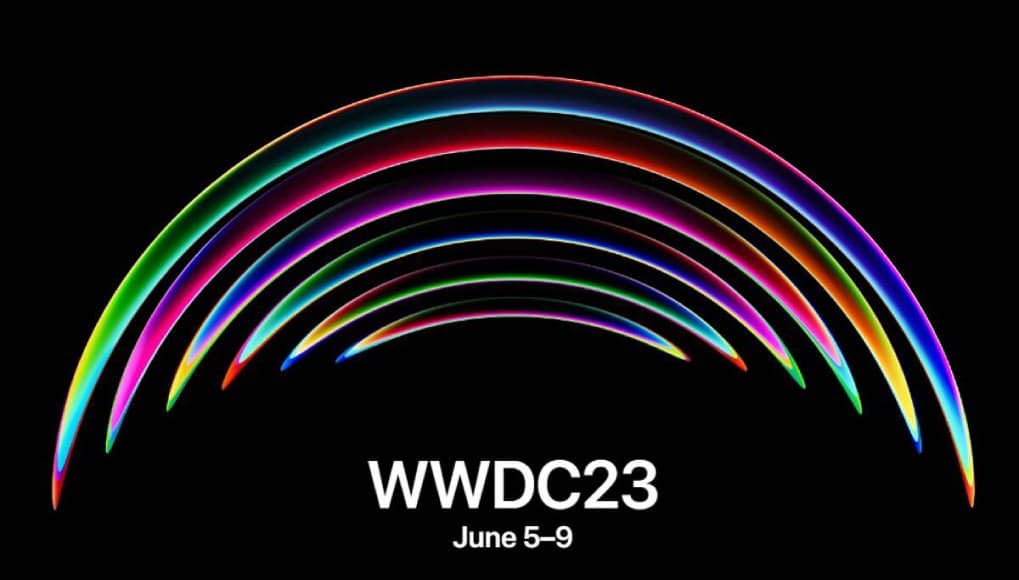
Apple WWDC 2023: What to Expect
Our site/blogs may contain some affiliate/compensated links, which may earn us a small commission if you make a purchase through our links, at no extra cost to you. Learn more.
Apple’s Worldwide Developers Conference surely sets the tone for its future, and it can turn out to be truer than ever for the year 2023.
With most expecting the tech giant to launch its first ever mixed reality headset at its premiere event, alongside a brand-new platform to match up with it.
This wearable launch is, although, a far cry from being the only massive announcement that is rumored to be upcoming at WWDC this 2023.
The grapevine, however, has included a larger MacBook Air, a watchOS update and even an app launch that is going to sideload on iOS.
Here is a comprehensive list of what one is most likely to see on June 5th, 2023
Also check our blog post: Apple WWDC 2023: Apple Vision Pro
The Mixed reality headset

Image Source: Indian Express
The Oculus Quest VR headset marks
Apple’s first feature in the world of mixed reality hardware (that is a blend of both the real and virtual world) however is one of the company’s not well-kept secrets.
As they have been reportedly acquiring headset-friendly startups and innovators for years now, Tim Cook is not being the least shy about his overgrowing interests in the fields of both augmented and virtual reality.
Now however, comes a headset that appears to be prepped for a WWDC launch. Also, the Apple event logo even indicates a lens to further add in the suggestion.
If the grapevine is to be believed, Apple’s stand-alone device called Reality Pro might turn out to be much more powerful than the Meta Quest Pro and other such high-end headsets.
Offering a crisp 4K resolution per eye, with six cameras capturing the outside world alongside a full body motion tracking.
Powered with a M2 chip outperforming most stand-alone headsets.
It is most likely to require an external battery pack lasting for only two hours on a single charge, however being extremely light weight and slim.
The hidden gem of this headset might be its software, though.
The Apple headset will launch a new platform (called xrOS) that has been designed with mixed reality in mind.
Instead of relying on controllers, it will involve hand gestures, gaze detection and Siri voice commands for navigating the interface.
An Apple Watch-style crown will be toggled in between AR and VR, allowing one to type in mid-air.
The device is mostly focused on productivity, with its VR-ready versions of Apple apps like Pages, iMovie and GarageBand that are in the making. With one-on-one FaceTime video calls having full body avatars or including apps using the in-built voice assistant Siri.
Alongside other entertaining options like meditation, workouts, immersive video viewing and games. The regular iPad and iPhone apps are said to work with some minor modifications, not needing one to remove the headset to one’s favorite software or application.
However, do not mistake it for a metaverse experience as Apple has ruled out having a persistent virtual space for itself.
Apple’s headset is not going to ship until the end of this year. And it will not necessarily be economically viable for most fans.
The first model will likely cost around $3,000, or three times the price tag of Quest Pro. An affordable variant is in the making however the first product is mostly targeted at developers, professionals and early mixed world adopters.
15-inch MacBook Air

Image Source: Hypebeast
One needed to opt for a high-end MacBook Pro to get an Apple laptop larger than 14 inches.
However, that might be changing at the WWDC. The developer logs however do suggest that Apple is on the verge of launching a 15-inch MacBook Air that will make big-screen portable Macs within reach of more users.
The modern 13-inch MacBook Air is almost a year old; its 15-inch version will house a variant of that system’s M2 chip coming with 8GB of RAM in a base configuration.
Expect a higher resolution display mirroring the 14-inch MacBook Pro (without the 120Hz refresh rate), with the larger chassis allowing a much bigger battery.
iOS 17 and iPad OS 17

Image Source: Macrumors
2023 surely brings Apple’s most important software upgrade for the iPhone and iPad. Speculated for months the iOS 17 and iPadOS 17 would enable sideloading – installing apps outside the App Store honoring the European Union market.
Much like Android, one can download apps straight from the web or via third-party stores.
Allowing for things that were not possible for Apple’s earlier rules, including web browsers using their own engines instead of Web Kit.
Sideloading is not the only notable feature. The iOS 17 will revamp the Control Center.
Including Day One-style life journaling app and an additional mood tracking feature in the health app.
The functionality of the iPhone 14 Pro’s Dynamic Island will expand, giving Maps a new lock screen interface while streamlining the Music and Wallet apps. The iPad and the iPadOS 17 will inherit iOS 16’s lock screen customization and house a tablet-native Health app.
Accessibility will surely be important. As Apple previewed a series of iOS features making the iPhone usable disabled individuals. Assistive Access is a simplified interface for those with cognitive issues, and Live Speech and Personal Voice have iOS speech to text conversion.
The phone can also speak out its keypad indicators. Apple however has not officially stated that the iOS 17 is introducing these additional features, however a release “later this year” hints that it is more likely.
WWDC night unveiled Apple’s opportunity to capitalize the next-gen CarPlay interface it had hinted at its last year’s conference. While previously stating the platform can control more in-cabin systems, it still remains to explain those capabilities further.
The first cars deploying the experience are going to launch late this year, meaning Apple not having much time to prepare developers for an upgrade.
The iOS and iPadOS updates mostly debut in the months of September or October. The betas are being pre launched sooner and have traditionally arrived within a few weeks’ time.
WatchOS

Image Source: Wired
This Apple Watch might be awaiting the largest software update in its history since its launch. The watchOS 10 is said to be redesigned including widgets, with traces from the original OS elements like the Siri watch face.
However, apps aren’t expected to entirely fadeaway, but rather be deemphasized in turn for a quick peek at all the random info. It is speculated that Apple might keep the interface optional in the beginning to help its users to adapt to its brand-new revamped avatar.
MacOS 14

Image Source: XDA Developers
Not much is known about this upcoming major Mac platform update, but it is most likely to be anticipated that the macOS 14 should be making its debut at WWDC.
As most Apple computer platform updates always tend to include some additional features that’s handpicked courtesy its iOS equivalent.
The latest upgrades do arrive mostly in the month of October, with the betas being pre-launched in late spring- summer.
Parting Thoughts
The media buzz surrounding WWDC indicates that Apple might not launch its M3 system-on-chip at WWDC that explains why the 15-inch MacBook Air is apparently still using the M2.
However, it is not possible to completely ignore an introduction if it happens. And if it really does, this brand-new chip is positioned to deliver an optimal performance and the credit lies in part to its denser 3-nanometer manufactured processing.
If presumably, M3 does its debut, it likely won’t shock one to witness other Mac premieres along with the Air.
As a refreshed 13-inch Air is in the making, with a M3-powered iMac probably shipping in the latter half of 2023. Pro machines are probably not going to hit the road though.
It is however estimated that a M3 Pro-based MacBook Pro should be coming up by the year 2024, and one must not be looking for a Mac Pro or Mac Studio upgrade anytime soon.