12 April 2026
- Crypto Payroll Systems: The Future of Employee Compensation?
- Proven Debt Management Strategies 2025: Slash Your Debt and Boost Your Credit Score with Proven Tips
- Guide to buying a home in 2025: How Young Adults Can Move from Renter to Homeowner
- Plan Your Dream Retirement: 2025 Guide to Digital Retirement Planning

News











Our site/blogs may contain some affiliate/compensated links, which may earn us a small commission if you make a purchase through our links, at no extra cost to you. Learn more
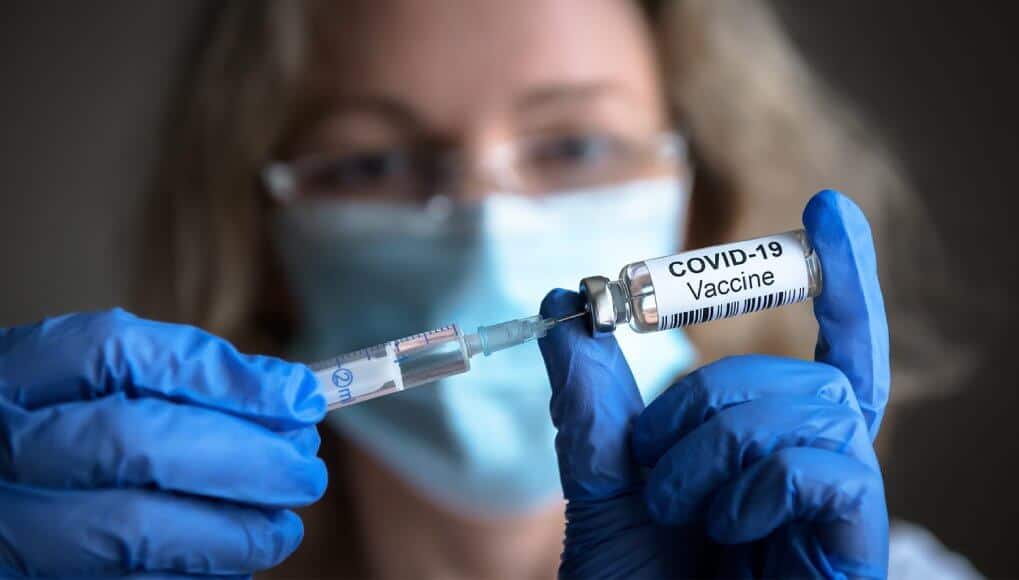
Have you taken the fourth jab yet? Well, are you thinking about taking it? Here’s some useful information related to the cans and cannot of the 4th Covid jab. Read on to know more.
Significant data have shown that the third dose of coronavirus vaccine offers an exponential increase in antibodies and immunity protecting against possible infections, hospitalizations and even death — a fourth dose however gives a comparably marginal benefit against the severe COVID-19 for the most part.
Also check our blog post: What mental health issues are leading Americans to get back to gyms?
What does the Lancet say about 4 doses of COVID vaccine
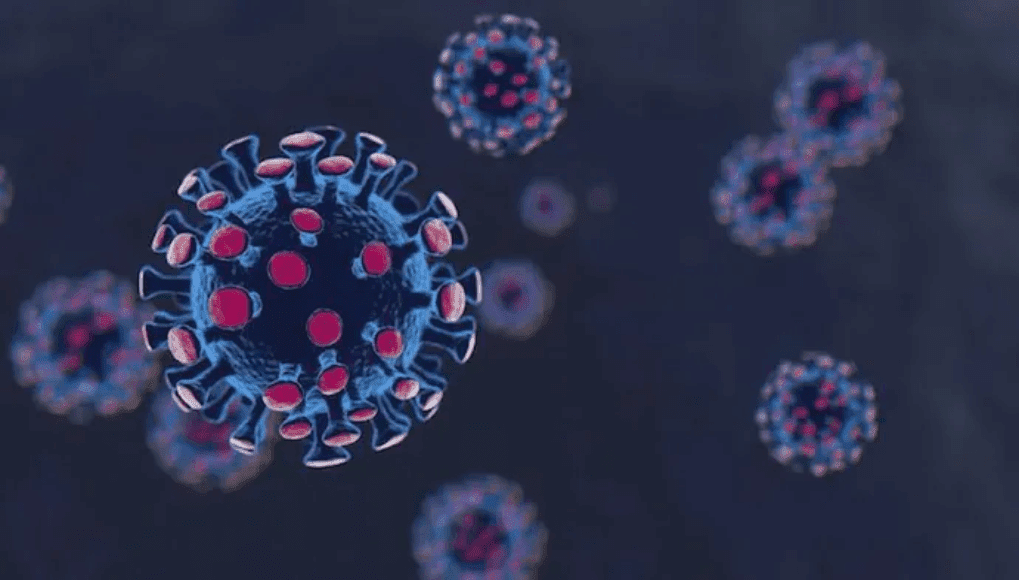
Image Source: https://www.indiatoday.in/india/story/centre-asks-states-to-increase-genome-sequencing-as-covid-cases-rise-in-china-other-countries-2311509-2022-12-20
When compared to a third dose administration, the fourth dose of an mRNA genotype COVID-19 vaccine, that was administered at the onset of the infamous Omicron era, showed signs of reduced death from all comorbid causes in the surveyed residents of LTCFs also including the oldest participants in the trial during the very first two post jab months, after which the levels of antibodies declined, and protection eventually waned slightly lower.
These Lancet report findings clearly suggest that undoubtedly a fourth Covid vaccine dose will prevent premature mortality among the oldest and the immunocompromised after the emergence of the Omicron and other possible future mutated variant strains of the virus, although it’s imperative to understand the importance of the timing of vaccination that seemed to be important when considering the slight waning observed after two months of the third dose administration.
Safety
Image Source: https://bgr.com/guides/buy-kn95-n95-masks-which-masks-are-best/
Clinical trials have shown that administering the 4th Covid jab is safe and tolerated well among all age groups.
Randomized clinical trials held quite recently this year had shown administering the 4th dose of an mRNA vaccine like Pfizer or Moderna 7 months post the 3rd jab could significantly boost the immune system.
The study has been ongoing since to reevaluate immune response approx. 84 days post the 4th jab for its long-term effectiveness assessment.
The 4th dose dilemma
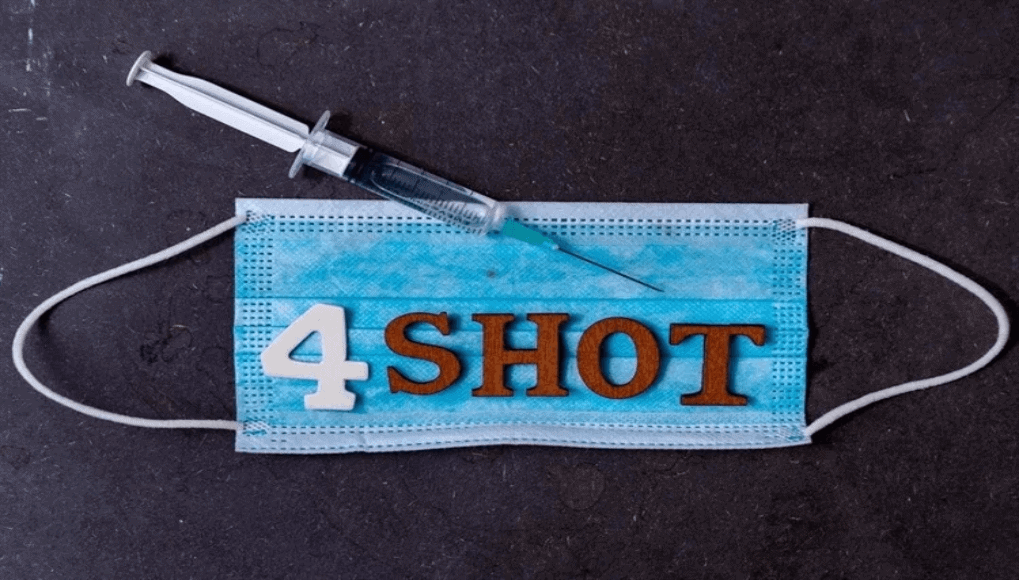 Image Credit: davide bonaldo/Shutterstock
The spike protein triggered antibody response was 1.59-fold higher on the 14 the day post fourth dose administration of the mRNA Pfizer vaccine when compared to the 28th day after the third dose administration.
Similarly, the fourth jab of the Moderna vaccine accelerated in a 2.29-fold higher antibody response effect than recorded post the third dose administration.
The level of magnitude in T-cell responses were very similar after both the third and fourth jabs respectively. Surprisingly enough, there was a more predominant T-cell immune response after the fourth dose administration in the trial group that had gotten three initial doses of the Pfizer vaccine and had been administered a fourth dose of Moderna.
The surveyors did not record an age bias in the immune responsiveness after administering the fourth dose.
Pfizer and Moderna jabs were better tolerated, with mild pain at the injection site, slight headache, general fatigue, slight malaise, and minor muscle strains or aches being the most expected counter effects.
Vaccine Coverage
 Image Source: https://hub.jhu.edu/2022/09/01/bivalent-covid-boosters-q-and-a/
The trial study’s doctors have acknowledged the immune responsiveness post the third and fourth doses were meticulously measured at different given timelines following the booster dose administration. But notably erstwhile studies show immune responsiveness remained stabilized within 7 and 28 days straight post immunization. The participants included in the study were a fairly small group.
Additionally, the antibody immune response was again recorded against the infamous wild-type variant of SARS-CoV-2 spike protein, not the actual spike protein taken from variants of concern, including the later Omicron variant.
Missing in the study was an evaluation of reactivity to Omicron variants post a fourth shot administration. As antibody levels correlate with the protective function and its breadth, assuming that more is better.
It’s imperative to understand the direct fourth shot influences – the antibody quality, T cell responses and cross variant recognition post vaccination. The added utility of boosting depends on viral escape rates and the persistence of older variants still remaining in circulation.
The 2nd booster origin
Image Source: https://www.avera.org/balance/infectious-disease/why-you-shouldnt-skip-the-second-covid-vaccine-shot/
Re-emergence of highly contractible and contagious Omicron variants had prompted medical health authorities to administer a third dose, or a so-called booster shot, of almost all COVID-19 vaccines. However, studies show the immune protection gained by a third shot waned in a few months post vaccination.
Forcing a few countries, the likes of Israel, Germany, UK, and the US, to mandate a fourth COVID-19 vaccine dose, reserved primarily for older or immunocompromised individuals.
Conclusion
With limited data on effects of a fourth dose some observational research done in Israel shows a fourth dose of Pfizer vaccine reduced risks of SARS-CoV-2 infection, prevented severe illness, for a minimum of four months post the third dose administration
Apart from that the studies in Israel involved volunteers that had successfully received all four doses of mRNA Pfizer vaccine.
Current randomized medical trials surveyed the utility of a fourth dose further for those who had received different vaccine cocktails for the booster and the early two primary series vaccines. The results are yet to be assessed for final conclusions to be withdrawn about the real life impacts and overall utility of the 4th dose or the 2nd booster for coming to a long drawn settling conclusion as of now.
Trending News




2 thoughts on “What happens if you take 4 doses of Covid vaccine”