25 February 2026
- Crypto Payroll Systems: The Future of Employee Compensation?
- Proven Debt Management Strategies 2025: Slash Your Debt and Boost Your Credit Score with Proven Tips
- Guide to buying a home in 2025: How Young Adults Can Move from Renter to Homeowner
- Plan Your Dream Retirement: 2025 Guide to Digital Retirement Planning

News











X Plans to Collect Users Biometric Data: A Bold Vision
Our site/blogs may contain some affiliate/compensated links, which may earn us a small commission if you make a purchase through our links, at no extra cost to you. Learn more.
In the current world of tech, few names can resonate as strongly as Elon Musk. Known for his notoriety and groundbreaking ventures in electric vehicles, space exploration, and renewable energy, Musk has continually pushed the boundaries of innovation.
His latest endeavor, often shrouded in both intrigue and controversy, revolves around the ambitious integration of biometric data, educational records, job history, and immersive audio/video experiences.
This is a part of X’s new privacy policy, which will start on September 29.
This transformative vision, collectively referred to as “X,” promises to revolutionize the way we interact with technology and, ultimately, with each other.
- X, previously known as Twitter, has not disclosed the specific types of biometric data it gathers from users or its methods.
- The company believes that doing this will make it easier for them to stop people pretending to be someone else on the platform.
- X will collect information about your education and job history to suggest possible jobs for you.
Exploring the Future With Elon Musk’s Vision for a Connected World

Image Source: TechCrunch
The Power of Biometric Data
At the heart of Musk’s plan for the future lies the collection and utilization of biometric data.
This concept involves the measurement and statistical analysis of people’s unique physical and behavioral characteristics. From fingerprints to facial recognition, Musk envisions a seamless integration of this data into our daily lives.
While concerns about privacy and security naturally arise, proponents argue that this could lead to unprecedented advancements in healthcare, security, and personalized experiences.
Education Reimagined
Another pivotal component of Elon Musk’s vision for the future centers around education. Musk aims to create a system that transcends traditional boundaries, offering a personalized and adaptable learning experience for individuals of all ages.
By integrating educational records into his overarching plan for “X,” Musk hopes to unlock untapped potential and empower individuals to pursue their passions without the constraints of conventional educational structures.
Job History And A Mosaic of Experience
In the world envisioned by Musk, job history becomes an integral part of an individual’s identity. Rather than being confined to a static resume, this dynamic data will reflect a comprehensive narrative of skills, accomplishments, and experiences.
The goal is to foster a more holistic understanding of an individual’s capabilities, allowing for a more efficient and effective matching of talents with opportunities.
Elon Musk’s Audio/Video Integration: The Ultimate Immersion
One of the most captivating aspects of Musk’s vision is that X plans to collect users biometric data while integrating audio and video experiences.
This groundbreaking approach seamlessly blends reality with virtual environments, all part of X’s commitment to gathering users’ biometric data.
Just imagine attending a lecture in a digital replica of the ancient Library of Alexandria or exploring a bustling market in 19th-century Paris, all from the comfort of your own living room.
This level of immersion, coupled with X’s biometric data collection efforts, promises to reshape entertainment, education, and social interactions, revolutionizing the way we experience the world.
Challenges and Ethical Considerations
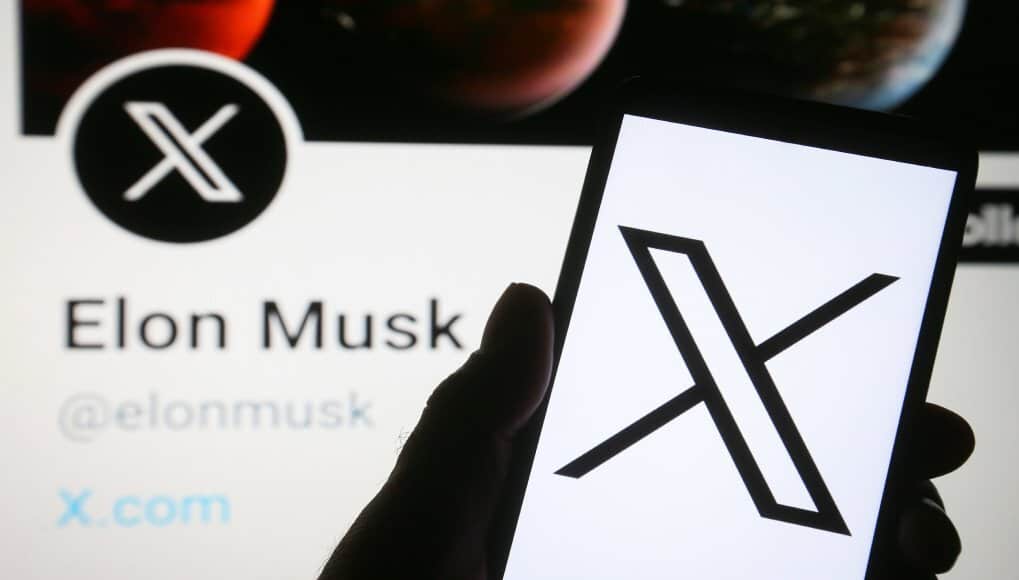
Image Source: CNBC
Of course, with such a transformative vision comes a host of challenges and ethical considerations.
Privacy concerns surrounding the collection and use of biometric data are paramount.
Striking the right balance between innovation and safeguarding individual rights will be a critical aspect of realizing Musk’s vision.
Additionally, questions regarding data ownership, security, and potential misuse will demand careful consideration.
Parting Thoughts On Shaping a New Era
Elon Musk’s vision for the future, encompassing the integration of biometric data, educational records, job history, and immersive audio/video experiences, represents a bold step into uncharted territory.
X plans to collect users biometric data, and while the road ahead may be fraught with challenges, the potential benefits for humanity are equally immense.
By pushing the boundaries of what’s possible, Musk’s vision surely seems to have the power to revolutionize the way we live, learn, work, and connect with one another.
With X plans to collect users biometric data at the forefront, it’s clear that this ambitious endeavor holds the key to shaping our future.
Trending News


One thought on “X Plans to Collect Users Biometric Data: Education, Job History, Integration”