28 August 2026
- Crypto Payroll Systems: The Future of Employee Compensation?
- Proven Debt Management Strategies 2025: Slash Your Debt and Boost Your Credit Score with Proven Tips
- Guide to buying a home in 2025: How Young Adults Can Move from Renter to Homeowner
- Plan Your Dream Retirement: 2025 Guide to Digital Retirement Planning

News











Our site/blogs may contain some affiliate/compensated links, which may earn us a small commission if you make a purchase through our links, at no extra cost to you. Learn more
Mental Health Is Top Reason Why Americans Exercise if we were to believe in stats.
Mental health SOS
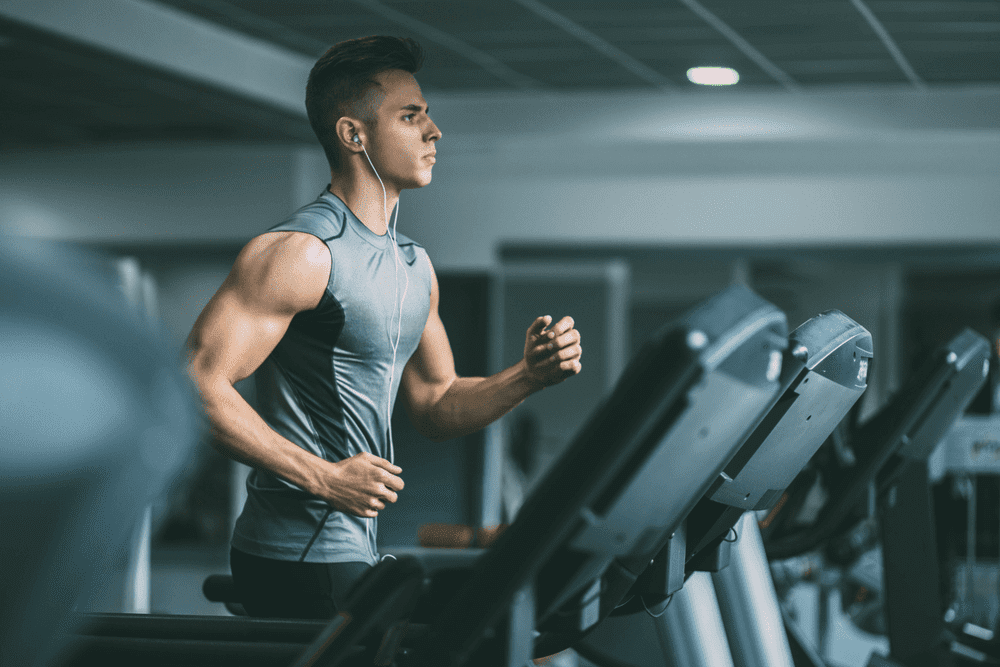
Our vulnerability in regard to our mental & emotional well-being came in slightly ahead of our basic physical well-being as a top primary reason for daily exercising, according to a stats report.
The majority of folks wanted to exercise at a gym and are now evidenced exercising more regularly than prior to the COVID-19 pandemic that hit in 2020.
Almost seventy-eight percent of daily exercisers have said that their mental & emotional well-being was the number one top priority reason for exercising daily, while about 76 percent said that their basic physical well-being was the prime reason, according to research surveyed by the Mintel Corp.
Also check our blog: What happens if you take 4 doses of Covid vaccine
Stats for Average Americans
Quite similarly the survey of average U.S. consumers found that regular exercisers seemingly wanted to hit the gym rather than stay at home.
Just a mere 15 percent had said that all digital fitness platforms have eliminated the need for physical gyms, and over 29 percent had said they’d like the community bonding aspect of being a member of a local health club.
The role of gyms in average consumers’ lives is so much deeper and larger than just mere physical exercise,” said a surveyor. For many, the current pandemic has elevated the importance of gyms because they can even assist one with some additional mental health guidance while giving exercisers time for themselves, sticking to a daily routine and socializing with fellow gym-goers alike can help a ton.
According to recent research from the Global COVID-19 health Tracker survey, roughly over half of Americans said that the recent pandemic had made them realize they would want to take much better care of their mental and emotional health.
It is due to these environmental differentiators that we can now easily predict that average consumers will undoubtedly add in-person exercises back into their daily routines alongside continuing their personal digital home workouts.
The Pandemic Effect

We all have witnessed how exercising habits have changed a lot since the COVID-19 pandemic, the survey further found that approx. Thirty-six percent of American consumers said they are working out with much more regularity than when compared before the pandemic, including 30 percent of those who were well over the age of 56.
Overall, weekly exercising has increased exponentially as the number of average Americans exercising once per week or more rose from a whopping 68 percent in 2020 to 72 percent in just a year in 2021.
Aging in the US
The average aging consumers have traditionally been oftentimes ignored especially by the fitness industry, yet they make up a large portion of the population and COVID-19 highlighted that connection further between age and decreasing immunity to diseases, thereby motivating a significant number of aged & mature Americans to again renew their focus on their vital and physical health.
This eminent resurgence in physical activity in older Americans especially, combined with the sheer volume of this largely neglected demographic, provides a real market opportunity for the fitness industries likewise.
Brands that cater to older populations focusing on resistance training, flexibility, and building body balance alongside some low-intensity strength workouts will surely reap the rewards and benefits of gaining a host of new and interested older clients.
Enjoy Exercising

The words tiring, boring, hectic and mundane and lack of enjoyment are often cited less today than prior to the pandemic as a strong enough reason for not exercising with just 40 percent of non-exercisers offering that alone as a reason for not working out compared to about 50 percent who initially cited that answer in 2020, according to some recent stats.
Meanwhile, about 35 percent of Americans said that using exercise as their personal me-time motivated them intensely to work out more.
Parents, especially seen in l fathers, seemingly exercised more frequently than individuals with no children, especially during the COVID-19 pandemic, also according to the survey.
Thirty-three percent of just dads having kids under the age of 18 & over were indexed for using exercise as a way to boost their daily moods (that’s about 40 percent vs. 34 percent of Americans overall) and meanwhile take out time for themselves (that’s about 39 percent vs. 35 percent of Americans overall).
The COVID-19 pandemic alone forced many to stay at home, to adapt and change their overall routines — especially when it came to exercising.
While it might seem a bit counterintuitive that parents with young kids are seemingly exercising more, the resultant increased responsibilities of parents in passing into the two whole years of the pandemic, which included childcare and at-home schooling, have surely taken its toll on their mental and emotional health.
Workouts were one of the few activities available to Americans during months of quarantining, and many parents had turned to fitness as a way to escape their hectic schedules and blow off some steam for good.
Conclusively now we know!
As health brands learn to embrace a more well-rounded picture of fitness, they also share an equally valuable responsibility to make their offerings more inclusive to Americans of all sizes, genders, and age groups.
Fitness studies show that health platforms must employ compassionate instructors that more accurately reflect the woes of the general population. Now gyms will also need to make their spaces more welcoming to all Americans likewise to align with their wishes and values to extend further mental and emotional health and support.
Such a move could not only help in-person facilities get back to their pre-pandemic membership numbers. But also encourage Americans to lead mentally and physically healthier lives overall.
Trending News




2 thoughts on “What mental health issues are leading Americans to get back to gyms? ”