











As we witness a significant demographic shift in America’s population, the need for effective long-term care and long-term care insurance is becoming increasingly pressing. The U.S. Census Bureau projects that the population over 65 will rise from 56.1 million in 2020 to 82.1 million by 2050.
A nationwide survey, “Meeting the Growing Demand for Age-Friendly Care: Health Care at the Crossroads,” reveals a concerning dissatisfaction among older adults with the current health care system, with 82% believing it is not prepared to meet their changing needs, especially regarding nursing and long-term services supports.
We’re facing unprecedented challenges in delivering care that is affordable and accessible to millions of Americans. As we explore the long-term care crisis in Aging America, it’s crucial to understand barriers to support. We must highlight innovative approaches and community solutions to address the demand for long-term care, identify challenges, and discuss solutions to address the problems related to Aging America and the Long-Term Care Crisis.
Key Takeaways
- The U.S. population is aging rapidly, creating a significant demand for long-term care.
- Most older adults are dissatisfied with the current healthcare system’s ability to meet their needs.
- The long-term care crisis affects healthcare delivery, affordability, and accessibility.
- Different demographics experience care disparities, requiring targeted solutions.
- Innovations are needed to create a more equitable and effective care system.
The Demographic Shift: America’s Aging Population
Aging is redefining the fabric of American society, with far-reaching implications. As we witness a significant increase in the aging population, particularly among those over 85 years old, new challenges emerge for the nursing and health care systems in the United States and other sectors. This shift not only highlights the need for long-term care insurance options but also emphasizes the importance of home living solutions to address the health and care insurance needs of older adults.

Baby Boomers Reaching Retirement Age
The baby boomer generation is reaching retirement age, leading to a significant rise in older adults in the U.S. More Americans are not only retiring but also living longer than before. This longevity brings complex healthcare needs, as older adults often manage multiple chronic conditions, requiring comprehensive solutions.
The most growth is among those 85 and older—a segment projected to triple from 6.5 million in 2022 to 17.3 million by 2050. This shift necessitates reevaluating our care systems to meet the unique needs of this group, including access to long-term services and home living options that reflect the diverse race and ethnicity of older people.
Increasing Life Expectancy and Its Implications
As life expectancy increases, so does the prevalence of age-related diseases affecting the heart, brain, and immune system. The medical system faces unprecedented challenges in treating these conditions, which become more complex with age. We need to consider how this increased lifespan affects not just healthcare needs but also retirement planning, housing requirements, and social support systems for a much longer post-retirement period. This is especially relevant in the United States, where the number of older people is growing rapidly each year.
To address these challenges, we must recognize the diverse needs of older adults and develop strategies to provide high-quality, person-centered care. By doing so, we can ensure that our aging population receives the support they require to live fulfilling lives in their own homes, as they navigate the complexities of health care and government services over the years.
The Current State of Long-Term Care in America
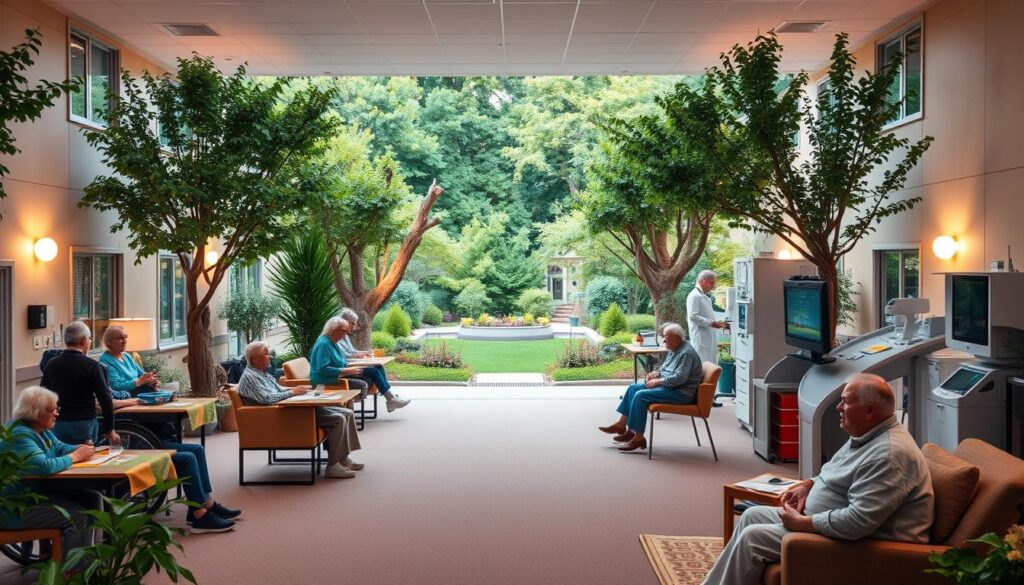
As the population ages, the demand for long-term care services continues to grow. Long-term care encompasses a range of services designed to support individuals who need assistance with daily living activities over an extended period, which is a key focus of health human services initiatives.
Types of Long-Term Care Services Available
There are various types of long-term care services available, catering to different needs and preferences. These include:
- Nursing home care: Provides 24-hour care and medical services for individuals with significant health needs.
- Home health care: Offers medical and non-medical care in the comfort of the individual’s own home.
- Adult day care: Provides social interaction and support during the day for adults who need supervision or assistance.
These services are crucial for supporting adults with varying levels of dependency, allowing them to maintain their dignity and quality of life.
Access and Affordability Challenges
Despite the availability of various long-term care services, many Americans face significant challenges in accessing and affording these health human services. The costs associated with long-term care are substantial, with nursing home care costing over $90,000 annually and home health aides averaging $4,500 monthly. For many people, this is a significant financial burden over the years.
Many families struggle to pay for these services out of pocket, and since Medicare does not cover most long-term care services, there’s a significant gap in coverage. Some states, like Washington, have implemented a payroll tax to fund long-term care insurance for residents, a move that could potentially ease the burden on families over time.
- The financial burden is a significant challenge, with family caregivers spending a quarter of their income on care.
- Many families are forced to spend down their assets to qualify for Medicaid, the primary payer for long-term care services, impacting their ability to maintain a decent quality of living.
Aging America and the Long-Term Care: A System Under Pressure
As America ages, the long-term care system is facing unprecedented pressure. The demographic shift is not only changing the fabric of our society but also challenging the existing infrastructure designed to support older adults in the department of health human services. The long-term care system, encompassing a range of services from nursing homes to home-based care, is struggling to meet the growing demand over the years.
Growing Demand vs. Limited Resources
The statistics are stark: an estimated 36 million Americans have a family member or friend living in a nursing home or memory care facility. This number is expected to grow as the baby boomer generation continues to age. However, the current system is not equipped to handle this surge. We are facing a significant gap between the demand for quality long-term care services and the available resources in the department of health human services. Research highlights the need for innovative solutions to bridge this gap over the coming years.
The strain on resources is evident in the quality of care provided. With limited resources, facilities often struggle to maintain adequate staffing ratios, training standards, and oversight, leading to inconsistent care quality that affects people relying on health care in their home environments.

Quality Concerns in Current Care Models
The quality of care in nursing homes and other long-term care facilities is a pressing concern. Only 37% of adults aged 18+ with a family member in such facilities believe their loved one receives high-quality care. Moreover, just half (50%) consider these facilities the safest place for their family members. These statistics underscore the need for improvement in care quality and safety standards within the department of health human services, especially as we face an aging population in the coming years.
Some of the persistent problems include inadequate staffing, insufficient training, and poor oversight, which can lead to suboptimal care conditions. To address these issues, we need to rethink our approach to long-term care, focusing on both quality and cost-effectiveness.
| Care Aspect | Current State | Desired Improvement |
|---|---|---|
| Staffing Ratios | Inadequate in many facilities | Increase staffing to improve care quality |
| Training Standards | Variable across facilities | Standardize and enhance training for caregivers |
| Oversight | Inconsistent monitoring | Strengthen regulatory oversight |
The Financial Burden of Long-Term Care
The expense of long-term care is a critical challenge facing our aging population. As we navigate the complexities of aging, it’s essential to understand the financial implications of long-term health care and how to prepare for them over the years. Many people are concerned about the time and credit required for nursing home care versus home care options.
Average Costs of Different Care Options
The costs associated with long-term care vary significantly depending on the type of care required. For instance, nursing home care can be particularly expensive, with average costs ranging from $7,000 to over $10,000 per month. In contrast, home care and adult day care services can offer more affordable options, with median costs around $4,000 to $5,000 per month.
| Type of Care | Average Monthly Cost |
|---|---|
| Nursing Home Care | $7,000 – $10,000 |
| Home Care | $4,000 – $5,000 |
| Adult Day Care | $1,500 – $3,000 |
Insurance Coverage Gaps and Misconceptions
Many Americans hold misconceptions about insurance coverage for long-term care. More than half (55%) mistakenly believe that Medicare will cover extended nursing home stays. However, Medicare only covers short-term skilled nursing care following hospitalization, leaving a significant gap in coverage for custodial care. This is particularly concerning for people who may require assistance over the years.
Long-term care insurance is available but often remains underutilized due to high premiums, strict underwriting, and complex policies. As a result, many individuals are left to cover these expenses out of pocket, which can be financially devastating for families and individuals seeking health care options at home.

To address these challenges, it’s crucial to understand the available care options and their associated costs over the years. By planning ahead and exploring insurance options, individuals can better prepare for the financial burdens of long-term nursing care over time.
The Healthcare System’s Unpreparedness
The increasing number of older adults in the U.S. is highlighting the healthcare system’s unpreparedness. As the demand for long-term care grows, our system faces significant challenges in providing adequate health services.

Workforce Shortages in Geriatric Care
The U.S. is experiencing a critical shortage of healthcare professionals trained in geriatric care. This shortage is particularly concerning given the growing elderly population and the increasing number of people requiring assistance. According to recent studies, the demand for geriatricians is expected to outpace supply in the coming years. Navigating the complexities of aging requires a workforce equipped to handle the unique needs of older adults.
To address this issue, we need to invest in programs that attract and retain professionals in geriatric care, including nursing and other healthcare disciplines. This includes providing training and education that focuses on the complexities of caring for older adults, particularly those with multiple chronic conditions over the years.
Infrastructure and Resource Limitations
The U.S. healthcare system is also constrained by infrastructure and resource limitations. The decline in hospital beds per person, from 4.5 in 1980 to 2.4 in 2018, has resulted in capacity constraints throughout the health care system. This reduction reflects a shift towards outpatient care and efforts to save costs, but it also means there’s less excess capacity to handle fluctuations in demand.
- The allocation of resources across states and regions is unequal, creating disparities in access to home care and other services for various populations.
- Rural areas are particularly underserved in terms of specialized care facilities and nursinghome services for older adults.
- The physical infrastructure of many existing nursing homes is outdated, failing to reflect current best practices for dementia care and mobility support.
Substantial investment is needed to modernize and expand our long-term care infrastructure to accommodate the growing number of older adults requiring services. This includes upgrading facilities and improving the distribution of resources to ensure equitable access to quality healthcare for all.
Voices of Dissatisfaction: What Older Adults Are Saying
Older adults are expressing significant dissatisfaction with the U.S. healthcare system. This dissatisfaction is not uniform across all demographics, with certain groups of people expressing more concern than others over the years. We will examine the survey findings that highlight these disparities and concerns, particularly in relation to nursing care and the department health human services.
Survey Findings on Healthcare Experiences
A recent survey has shed light on the healthcare experiences of older adults in the U.S. The findings indicate that certain demographics, including people in nursing care and those involved with the department health human services, are far less satisfied with the healthcare system than others. For instance, women, people living in rural areas, people of color, and the economically disadvantaged report lower satisfaction levels over the years.

Disparities Among Different Demographics
The survey reveals significant disparities in healthcare satisfaction and outcomes across different demographic groups. For example, Black older adults report lower physical health and financial well-being compared to their white peers. They also express greater concern about being mistreated in long-term care facilities.
| Demographic Group | Physical Health (Fair/Poor) | Financial Well-being (Fair/Poor) | Concern about Mistreatment in LTC |
|---|---|---|---|
| White Older Adults | 25% | 24% | 49% |
| Black Older Adults | 31% | 34% | 66% |
| Hispanic Older Adults | – | 34% | – |
Furthermore, rural residents are less satisfied with the healthcare system, with only 41% giving it an A or B grade, compared to 51% of their urban counterparts. Hispanic older adults report lower rates of excellent to very good mental health and financial health compared to white peers.
These disparities highlight the need for a more equitable healthcare system that addresses the unique needs of different demographic groups among older adults. By understanding these differences, we can work towards improving healthcare outcomes for all.
The Caregiver Crisis in America
As the population ages, the role of family caregivers has become increasingly critical, yet often overlooked. Family caregivers are the unsung heroes of long-term care, providing essential support to their loved ones. According to AARP, family caregivers in the U.S. spend a significant portion of their income on caregiving expenses each year, highlighting the need for better support systems from the department health human. These dedicated people often balance nursing responsibilities alongside their other commitments, making significant sacrifices over the years.

Family Caregivers: The Invisible Workforce
Family caregivers are the backbone of the long-term care system, providing a wide range of services from emotional support to medical care. They often juggle their caregiving responsibilities with work and other family obligations, making significant sacrifices over the years in the process. On average, family caregivers spend about 25% of their income on caregiving expenses, a financial burden that can have long-lasting impacts.
The role of family caregivers is multifaceted, involving not just personal care but also managing healthcare services, navigating complex care systems, and providing financial support. Despite their critical role, many family caregivers lack the resources and support from the department health human that they need to care for their loved ones effectively.
Financial and Emotional Toll on Caregivers
The impact of caregiving extends far beyond the financial costs. Caregivers often experience significant emotional strain, with higher rates of depression, anxiety, and social isolation compared to non-caregivers. The emotional toll can be just as debilitating as the financial burden, affecting caregivers’ overall well-being and quality of life over the years.
To address these challenges, there is a growing need for support systems that can help alleviate the financial and emotional burdens on caregivers. This includes advocacy for policies like the proposed $5,000 federal tax for caregiving families, as well as access to respite care services and caregiver training programs for these people.
Multiple Chronic Conditions: The Complex Care Challenge
As the population ages, the prevalence of multiple chronic conditions among older adults poses significant challenges for healthcare providers. Managing the care of these individuals requires a comprehensive approach that addresses their complex needs.
Prevalence Among Older Adults
The prevalence of multiple chronic conditions is substantial among older adults. Data indicates that a significant portion of this demographic is affected, leading to increased healthcare utilization and costs. Specifically, older adults with multiple chronic conditions often require frequent medical interventions, which can be challenging to coordinate effectively.
We observe that 52% of Medicare beneficiaries see more than three physicians per year, highlighting the complexity of their care needs. This complexity underscores the necessity for a well-coordinated care plan that takes into account the various health conditions and treatments.
Coordination of Care Issues
The coordination of care for older adults with multiple chronic conditions is often fragmented. Despite the high frequency of physician visits, many older adults report that their primary care provider does not coordinate their treatment with other healthcare providers. This lack of coordination can lead to duplicative tests, contradictory treatment plans, medication errors, and unnecessary hospitalizations.
To address these challenges, we need to implement better systems for health care coordination and information sharing. This includes adopting team-based approaches that can manage the complex needs of older adults with multiple conditions. By doing so, we can improve the quality of care and reduce the risk of adverse outcomes.
Some key strategies for improving care coordination include:
- Enhancing information sharing among healthcare providers
- Implementing team-based care models
- Improving patient engagement and education
- Utilizing technology to support care coordination

By adopting these strategies, we can better meet the complex needs of older adults with multiple chronic conditions, ultimately improving their health outcomes and quality of life.
The Rural-Urban Divide in Eldercare
Rural communities face unique challenges in providing eldercare, highlighting a critical gap in our healthcare system. The disparity is not just in the availability of healthcare services, but also in the quality and accessibility of care.

Access Disparities in Rural Communities
Older adults in rural areas often have limited access to specialized care, forcing them to travel long distances for even basic health services. This can be particularly challenging for those with mobility issues or chronic conditions requiring regular monitoring. The lack of home care services in these areas further exacerbates the problem, leaving many without adequate support.
As we noted, “The U.S. healthcare system is lagging behind in the adoption and use of information and communication technology (ICT), such as electronic health records (EHRs), telemedicine, and health information exchange (HIE).” This lag is particularly evident in rural areas, where the infrastructure for such technology is often underdeveloped.
Innovative Solutions for Underserved Areas
We’re seeing promising innovations emerge to address the rural-urban divide in eldercare access. Telehealth services have shown particular potential, allowing older adults to consult with specialists without traveling long distances. Mobile health clinics are another effective solution, bringing preventive care, chronic disease management, and basic diagnostic services directly to underserved communities.
Some of the key strategies include:
- Implementing telehealth services to reach remote populations.
- Utilizing mobile clinics to provide home care and other essential services.
- Developing hub-and-spoke models that partner rural facilities with larger urban medical centers.
- Expanding broadband internet access to fully leverage telehealth opportunities.
By embracing these innovative solutions, we can begin to bridge the gap in eldercare between rural and urban areas, ensuring that all older adults receive the care they need, regardless of where they live.
Racial and Socioeconomic Disparities in Long-Term Care

As the U.S. population ages, addressing racial and socioeconomic disparities in long-term care has become increasingly critical. The long-term care system is complex, involving various services and providers, but it is marred by inequities that affect the quality of care received by older adults from diverse backgrounds.
Differential Experiences Among Minority Groups
Minority older adults often face significant barriers in accessing quality long-term care. These disparities are attributed to various factors, including socioeconomic status, language barriers, and cultural differences. For instance, older adults from minority groups are more likely to experience higher rates of chronic conditions and have limited access to healthcare resources.
The 4Ms Framework for age-friendly care, which focuses on what Matters, Medication, Mind, and Mobility, represents a promising approach to more equitable care. However, the implementation of such frameworks is not uniform, and minority groups often receive less comprehensive care.
| Minority Group | Challenges Faced | Potential Solutions |
|---|---|---|
| African American | Limited access to healthcare, higher rates of chronic conditions | Culturally competent care, diverse staffing |
| Hispanic/Latino | Language barriers, cultural differences in care preferences | Language services, culturally appropriate activities |
| Asian American | Diverse cultural needs, varying levels of health literacy | Tailored education programs, culturally sensitive care |
Addressing Equity in Care Delivery
To address the disparities in long-term care, it is essential to implement targeted initiatives and policy changes. Community-based participatory research is crucial in identifying and addressing the specific needs of different racial and ethnic communities. This approach helps in designing more equitable care models that cater to the unique needs of diverse populations.
Furthermore, reducing implicit bias among healthcare providers through education and training programs is vital. Such programs can improve care for all older adults, regardless of their race, ethnicity, or socioeconomic status. By focusing on equity in care delivery, we can work towards a more inclusive long-term care system. Efforts to increase diversity among healthcare providers and promote culturally competent care are also underway. These initiatives aim to bridge the gap in healthcare quality between different socioeconomic and racial groups.
The Economic Impact of the Aging Crisis

The economic consequences of the aging crisis are multifaceted and far-reaching. As the U.S. population ages, we’re witnessing significant labor market disruptions that affect both the healthcare workforce and the broader economy. The healthcare sector faces a double challenge: increasing demand for workers to care for older adults while losing experienced workers to retirement.
Healthcare Spending Projections
The healthcare costs associated with an aging population are substantial. We’re seeing a significant rise in healthcare spending due to the increased demand for long-term care services. Projections indicate that healthcare expenditures will continue to grow, placing a strain on the economy and individual income. The average costs of different care options are escalating, further complicating the financial landscape.
As the demand for healthcare services increases, so does the financial burden on individuals, families, and the government. The economic implications of these rising costs are profound, affecting not just the healthcare system but also the overall economy.
Labor Market and Productivity Implications
The aging crisis also has significant implications for the labor market and productivity. Millions of working-age Americans are reducing their work hours or leaving the workforce entirely to provide unpaid care for their loved ones, resulting in a substantial loss of productivity. The economic cost of family caregiving is estimated at $470 billion annually in unpaid care and approximately $522 billion in lost economic output each year. This not only affects the caregivers but also impacts the overall economy and businesses that rely on a robust workforce.
We need to recognize that addressing the caregiving crisis is not just a social imperative but an economic one, as caregivers play a crucial role in supporting the aging population while also participating in the workforce.
Policy Solutions and Reform Proposals
The quest for quality long-term care has become a bipartisan issue in American politics. As the demographic landscape shifts with an aging population, the need for comprehensive and effective long-term care solutions is becoming increasingly urgent.
Reforming Medicare and Medicaid
One critical area of focus for policymakers is the reform of Medicare and Medicaid to better address the needs of the aging population. These programs are crucial for providing long-term care to millions of Americans. Reform options could include expanding coverage for home and community-based services, improving payment structures to incentivize quality care, and enhancing program sustainability. By exploring these policy adjustments, we can work towards a more equitable and effective long-term care system.
For instance, improving Medicaid’s ability to support caregivers through respite care and other services could significantly enhance the quality of life for both caregivers and recipients. Moreover, aligning Medicare and Medicaid incentives can help ensure that beneficiaries receive seamless, high-quality care across different settings, including nursing homes.
Bipartisan Support for Long-Term Care Improvements
Bipartisan support is emerging as a crucial factor in advancing policy reforms for long-term care. Recent surveys indicate that a significant majority of Americans, across party lines, support improving the quality of nursing homes and expanding support for caregivers. This consensus presents an opportunity for government to capitalize on the momentum and push forward comprehensive legislation.
By fostering a collaborative environment, lawmakers can develop and implement meaningful reforms. This includes proposals for tax credits for caregivers, paid family leave, and enhanced respite care services, all of which have garnered support across the political spectrum. As we move forward, leveraging this bipartisan support will be crucial in creating a more robust and responsive long-term care system.
The Age-Friendly Care Movement

As America grapples with the challenges of an aging population, the age-friendly care movement is gaining momentum. This movement focuses on providing high-quality, person-centered care that addresses the unique needs of older adults. At its core, age-friendly care prioritizes what matters most to older adults, ensuring that their care is tailored to their individual needs and preferences.
The 4Ms Framework for Better Care
The 4Ms Framework is a cornerstone of age-friendly care, providing a structured approach to delivering high-quality care to older adults. The framework includes four key elements: What Matters, Medication, Mentation, and Mobility. By focusing on these critical aspects, healthcare providers can better address the complex needs of older adults. For instance, understanding what matters to older adults helps providers tailor care to their individual needs, with 94% of older adults prioritizing quality of life over longevity.
- Assessing and addressing what matters to older adults
- Optimizing medication use to minimize adverse effects
- Evaluating and supporting cognitive health and mentation
- Promoting mobility and preventing falls
Implementation Challenges and Successes
Implementing the 4Ms Framework across healthcare systems is not without its challenges. Organizational barriers, such as time constraints during appointments and lack of geriatric training among providers, can hinder successful implementation. However, healthcare systems that have fully adopted the 4Ms Framework have reported promising results, including reduced hospital readmissions and improved patient satisfaction. To overcome implementation challenges, strategies such as embedding the 4Ms into electronic health records and creating interdisciplinary care teams can be effective.
By expanding successful implementation strategies and addressing the challenges associated with age-friendly care, we can improve the quality of life for older adults and create a more sustainable healthcare system.
Technological Innovations in Eldercare

Technological advancements are revolutionizing the way we care for our aging population. The integration of technology in eldercare is not only enhancing the quality of care but also making it more accessible and efficient. For more insights on how technology is shaping senior care, visit this link.
Remote Monitoring and Telehealth Solutions
Remote monitoring and telehealth solutions are transforming eldercare by enabling healthcare providers to track patients’ health remotely and provide timely interventions. This approach is particularly beneficial for older adults with chronic conditions, allowing them to receive care from the comfort of their homes.
Telehealth platforms facilitate virtual consultations, reducing the need for hospital visits and enhancing patient engagement. These technologies are crucial in addressing the challenges posed by the aging population, especially in rural and underserved areas.
AI and Predictive Analytics in Geriatric Care
We’re entering a new era where artificial intelligence (AI) and predictive analytics are transforming geriatric care in remarkable ways. AI algorithms can analyze patterns in patient data to predict health deterioration before symptoms become apparent, allowing for preventive interventions in conditions like sepsis, heart failure, and cognitive decline.
- AI and machine learning applications are improving diagnostic accuracy for conditions that are often difficult to diagnose in older adults.
- Predictive analytics tools help healthcare systems allocate resources more efficiently by identifying which older adults are at highest risk for hospitalization or nursing home placement.
- It’s crucial to balance the potential of these technologies with ethical considerations around privacy, consent, algorithm bias, and maintaining the human connection in care.
The large volume of data used in such efforts has generated interest in applying machine learning, particularly deep learning, to parse through complex relationships within patient records. Addressing concerns regarding patient privacy will be crucial to realizing the benefits from advances in Electronic Health Records (EHRs) and their analysis to identify health trends.
Community-Based Models and Aging in Place

Community-based models are gaining traction as a preferred approach for eldercare, emphasizing the importance of aging in place. As we explore these models, it’s clear that they offer a promising solution to the long-term care crisis by focusing on the needs and preferences of older adults.
Alternative Care Models Beyond Nursing Homes
We’re seeing a shift towards home care and community-based services that allow older adults to maintain their independence and dignity. These models include aging in place initiatives that modify homes with features like grab bars, ramps, and wider doorways to accommodate changing physical needs. Additionally, naturally occurring retirement communities (NORCs) and village models create supportive networks within existing neighborhoods, providing services that help older adults remain independent.
Supporting Independence and Dignity
Most older adults (94%) say it is more important to maintain quality of life than it is to live as long as possible. To support this, we need comprehensive approaches that combine home modifications, supportive services, technology, and community connections. Technology plays an increasing role in supporting independence through smart home features, medication reminders, and voice-activated assistants.
| Component | Description | Benefits |
|---|---|---|
| Home Modifications | Grab bars, ramps, wider doorways | Enhanced safety and accessibility |
| Supportive Services | Home care, transportation, meal delivery | Increased independence, social interaction |
| Technology | Smart home features, medication reminders | Improved safety, health management |
| Community Connections | Social events, community programs | Reduced isolation, enhanced well-being |
By combining these elements, we can create a comprehensive and supportive environment that allows older adults to age with dignity.
Conclusion: Charting a Path Forward for Aging America and the Long-Term Care

As the demographic shift continues to reshape America, the importance of developing a sustainable long-term care system cannot be overstated. We’re at a critical juncture that requires comprehensive action to address the long-term care crisis facing Aging America.
The path forward must include promoting age-friendly care that focuses on maintaining health, function, and independence rather than simply treating diseases. This approach is crucial for improving the quality of life for older adults. The John A. Hartford Foundation and Age Wave have identified key recommendations to improve healthcare for older adults, including pursuing scientific breakthroughs for conditions like Alzheimer’s and addressing social isolation.
To effectively address the long-term care crisis, we must also support family caregivers through policy changes, financial assistance, and training programs. This is essential to sustaining the backbone of our long-term care system. Furthermore, developing a comprehensive national strategy for aging is vital. This strategy should address financing long-term care, reforming nursing homes, expanding home-based care options, and ensuring equity across all demographics.
The challenges are significant, but with coordinated effort across public and private sectors, we can create a system that provides dignified, high-quality care for all aging Americans. By working together, we can build a brighter future for the population and ensure that they receive the support they need.
In conclusion, addressing the long-term care crisis requires a multifaceted approach that involves government initiatives, community engagement, and individual support. By prioritizing the needs of older adults and promoting a culture of care, we can create a more compassionate and equitable society for people of all ages.
FAQ
What is long-term care insurance, and how does it support our needs as we age?
Long-term care insurance is designed to help cover the costs of services and support we may need as we age, such as assistance with daily living activities, home health care, adult day care, or nursing home care, ensuring we receive the necessary support while protecting our income and assets.
How do we determine the cost of long-term care services in our state?
The cost of long-term care services varies significantly depending on the type of care needed, location, and provider. We can research local care options, consult with care professionals, and review reports from the Department of Health and Human Services to estimate the costs in our state.
What role does Medicaid play in covering long-term care expenses, and how do we qualify?
Medicaid is a vital program that helps cover long-term care costs for eligible individuals with limited income and resources. To qualify, we must meet specific financial and functional eligibility criteria, which vary by state, so it’s essential to check the requirements in our state.
How can we plan for the potential need for long-term care while ensuring our financial security?
Planning for long-term care involves assessing our needs, exploring insurance options, and considering alternative care models, such as aging in place or community-based care. We can also review our financial situation, including our income, assets, and expenses, to ensure we have the necessary resources to cover potential care costs.
What are the most significant challenges facing caregivers, and how can we support them?
Caregivers often face significant emotional, physical, and financial burdens. We can support them by providing education, resources, and respite care, as well as advocating for policies that address caregiver needs and promote their well-being.
How do multiple chronic conditions impact our long-term care needs, and what are the implications for care coordination?
Multiple chronic conditions can significantly complicate our long-term care needs, requiring more complex and coordinated care. Effective care coordination is crucial to ensure we receive high-quality, patient-centered care that addresses our unique needs and promotes optimal health outcomes.
What are some innovative solutions addressing the rural-urban divide in eldercare, and how can we access them?
Innovative solutions, such as telehealth, remote monitoring, and community-based care models, are helping to address the rural-urban divide in eldercare. We can explore these options by researching local programs, consulting with healthcare professionals, and contacting organizations that specialize in eldercare services.